







More than 30 years after its first edition, the APR Design Guide is still experiencing firsts – most recently, the development of design guidance that proactively addresses an emerging packaging format rather than reacting to issues with recyclability later in its life cycle.
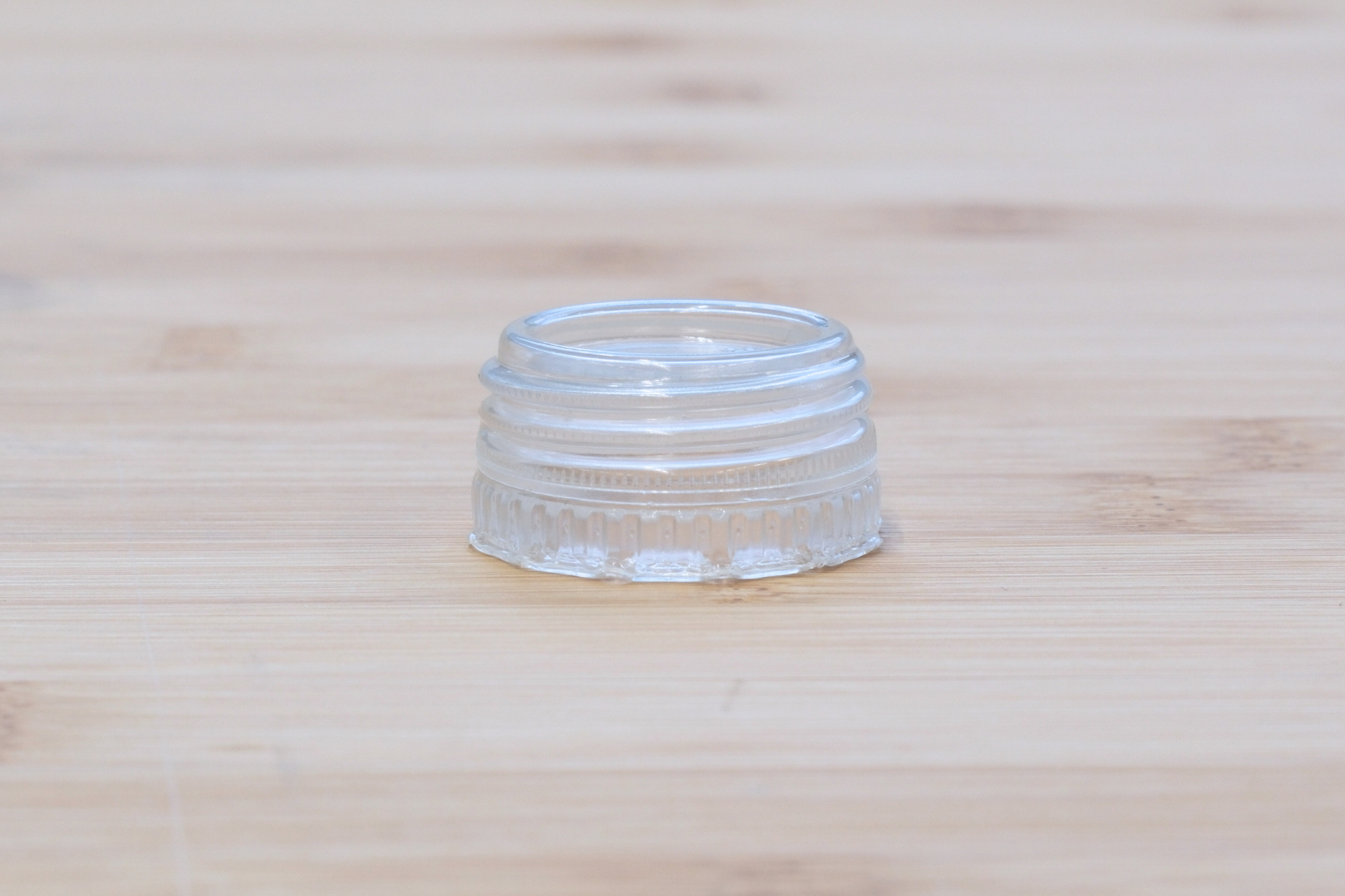
Some states may be looking to regulate PET closures, but lack consensus or guidelines about the optimal form. While some groups advocate for PET caps to accompany PET bottles for a mono-material option, others argue that processes for handling different materials are well established.
APR recognized that one way to circumvent confusion was to develop design guidance – and could provide a roadmap for future packaging formats.
And while discussions proved challenging at times, the working group ultimately reached consensus and gained broad support for the final guidance, said Megan Moore, program director for PET packaging at APR.
APR’s PET Technical Working Group involved stakeholders from throughout the value chain – resin suppliers, closure and equipment manufacturers, bottle converters and PET recyclers. Throughout the process, recyclers were closely involved throughout the process to ensure the APR guidance reflected real-world conditions.
APR owns Resource Recycling, Inc., publisher of Plastics Recycling Update.
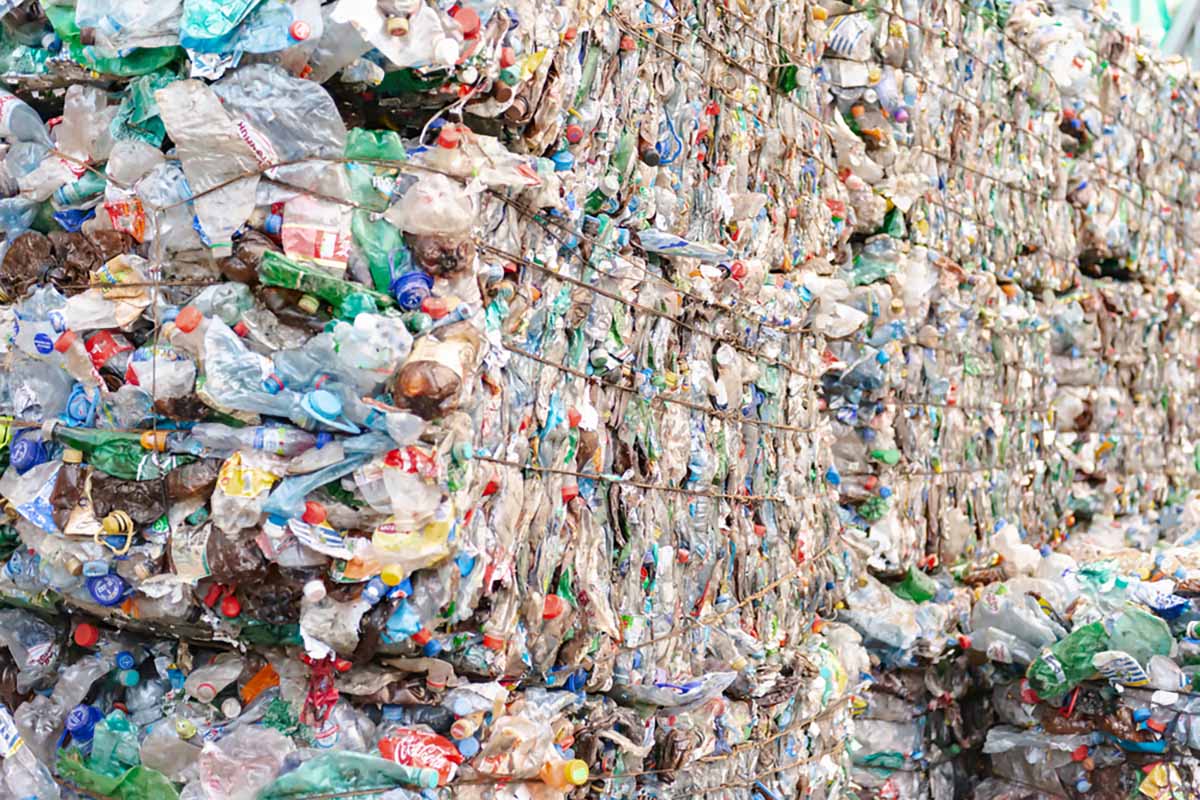
Traditional HDPE and PP bottle caps are separated from PET bottles during the recycling process. So because PET closures are meant to accompany the bottle throughout the process, a key concern for the working group was the potential for them to be present in the recycling stream at relatively high levels and to differ from standard PET bottle resin and additives, Moore said.
If the material differences are significant, they can shift the properties of RPET enough to create issues for recyclers and end users. “The guidance was developed specifically to manage that risk,” Moore said.
At the top of the list of concerns for recyclers was the color and opacity of PET closures. Addressing color and material consistency was critical to gaining support from recyclers and ultimately acceptance of the APR guidance, Moore said.
PET’s color and opacity have been in the spotlight in recent years, with most bottlers eschewing green packaging for clear or transparent light blue, to improve recyclability. As such, color was among the most important issues for the group to address, Moore said. Per the guidance, PET closures must be clear or transparent blue, or be able to pass the applicable critical guidance testing to be considered recyclable. PET closures that do not meet these color requirements are deemed not recyclable, as a result of the color contamination they cause on recyclate, she added.
Potential windfalls – and pitfalls
As with any proposed solution, PET closures offer both benefits and caveats. Post-consumer bottle bale yields could benefit, for starters, by containing more recoverable PET.
Srinivasan “Shankar” Prabhushankar, technical director at the National Association for PET Container Resources (NAPCOR), said that during his tenure at Indorama Ventures, 10%-12% of the reclamation stream consisted of caps.
“So it’s a big thing. Whatever happens to that percentage is going to make or break the reclamation industry.”
However, Shankar points to California’s ban on plastic shopping bags as an example of possible unintended consequences of PET cap regulations. Starting in 2016, the law allowed only shopping bags with thicker material, in hopes they would be reused. However, this allowance resulted in more plastic being used rather than less. A CalRecycle analysis of California’s trash sent to landfill in 2021 indicated a significant increase in plastic bags being discarded from 2018, amid mitigation measures put in place during the Covid-19 pandemic.
“So there is an analogy here in the PET caps,” Shankar said, adding that if the volume of the bottle cap remains the same as current designs, PET is denser and as such requires 30%-40% more plastic. However, he acknowledged that cap manufacturers are working on lightweighting to reduce the total volume of plastic. Even so, Shankar said, a thinner cap may have less desirable performance characteristics such as less ability to retain carbonation in soft drinks.
Aligning guidance with the real world
Although Origin Materials was not directly involved in the discussions for the new guidelines, the APR committee asked how the company saw PET closures developing, CEO John Bissell told Plastics Recycling Update.
“We laid all that out, which really is that we think that my material’s future is incredibly important, and it is sort of better for everybody involved,” saidBissell. “It’s better for the material producers, the packagers, the brands, consumers, and the environment. So we think it’s better across the board.”
PET is eminently recyclable, Bissell said, and “there’s a reason why it gets used extensively for bottles, right? And so for us, it’s a natural extension, if you’re trying to achieve mono-material packaging.”
Although mono-material packaging helps improve recyclability, solutions tend to center on multi-layer polyolefin films of PE or PP, used in hard-to-recycle flexible packaging. Europe’s emerging Packaging and Packaging Waste Regulation (PPWR) strongly encourages the use of a single material throughout packaging design, which is helping drive innovations globally as the region’s strict regulation is implemented.
And in the US, Illinois SB 132 was introduced in January 2025, proposing that from 2029 the state mandates that caps for single-use beverage containers be made of the same resin.
“Really the goal is for it to be recyclable alongside the bottle,” Bissell said. “Sometimes I think there’s a sense that we’re trying to get to a PET cap in and of itself, and that we would therefore jeopardize recycling. That’s the opposite of what we’re trying to do. The goal is to make the recycling stream cleaner, better, more economic.”
He added that the caps are currently made of clear bottle-grade PET, and that he expected that if the company made a non-clear cap it would still be compliant with the APR guidelines, using acceptable color variations, washable inks and so on. “And so that’s exactly the way we view it: Let’s make sure that the material we’re using is not just recyclable or the same material in name only.”
Bissell added, “Having looked at the guidance, I would say, it was completely unsurprising to us, which I think is a testament to its objectivity. If we came up with the same solution having not been involved in the guidance process as the other people did, then there must be some sort of similar thinking going on.”