




Resource Recycling
  • The Latest
  • Analysis
    • All
    • Certification Scorecard
    • Industry Announcements
    • Opinion
    SERI works to restore faith in certifications

    Building a defensible E-scrap evidence file

    tires

    The most important decision in tire recycling happens before the shredder

    Intel sign outside of company building.

    Intel’s CapEx tops $20B on server demand while PC volume shrinks

    Google sign on company building with blue sky and clouds above.

    Inside Alphabet’s Q2 results: More capital spending and cloud backlog

    Alpek closing Pennsylvania RPET plant

    Alpek seizing on war-related opportunity 

    Our top stories from March 2023

    Iron Mountain’s data center report: Strong on power, quiet on hardware

  • Conferences
    • Resource Recycling Conference
    • Plastics Recycling Conference
    • E-Scrap: The Longevity Conference
    • Textiles Recovery Summit
  • Publications
    • E-Scrap News
    • Plastics Recycling Update
    • Policy Now
    • Resource Recycling
    • Other Topics
      • All Topics
      • Brand Owners
      • Critical Minerals
      • Glass
      • Grant Watch / RFPs
      • Markets
      • Organics
      • Packaging
      • Research
      • Technology
      • Textiles
Subscribe
No Result
View All Result
Resource Recycling
  • The Latest
  • Analysis
    • All
    • Certification Scorecard
    • Industry Announcements
    • Opinion
    SERI works to restore faith in certifications

    Building a defensible E-scrap evidence file

    tires

    The most important decision in tire recycling happens before the shredder

    Intel sign outside of company building.

    Intel’s CapEx tops $20B on server demand while PC volume shrinks

    Google sign on company building with blue sky and clouds above.

    Inside Alphabet’s Q2 results: More capital spending and cloud backlog

    Alpek closing Pennsylvania RPET plant

    Alpek seizing on war-related opportunity 

    Our top stories from March 2023

    Iron Mountain’s data center report: Strong on power, quiet on hardware

  • Conferences
    • Resource Recycling Conference
    • Plastics Recycling Conference
    • E-Scrap: The Longevity Conference
    • Textiles Recovery Summit
  • Publications
    • E-Scrap News
    • Plastics Recycling Update
    • Policy Now
    • Resource Recycling
    • Other Topics
      • All Topics
      • Brand Owners
      • Critical Minerals
      • Glass
      • Grant Watch / RFPs
      • Markets
      • Organics
      • Packaging
      • Research
      • Technology
      • Textiles
Subscribe
No Result
View All Result
Resource Recycling
No Result
View All Result
Home Recycling

New momentum for reuse as policy talks expand

byScott Snowden
October 14, 2025
in Recycling
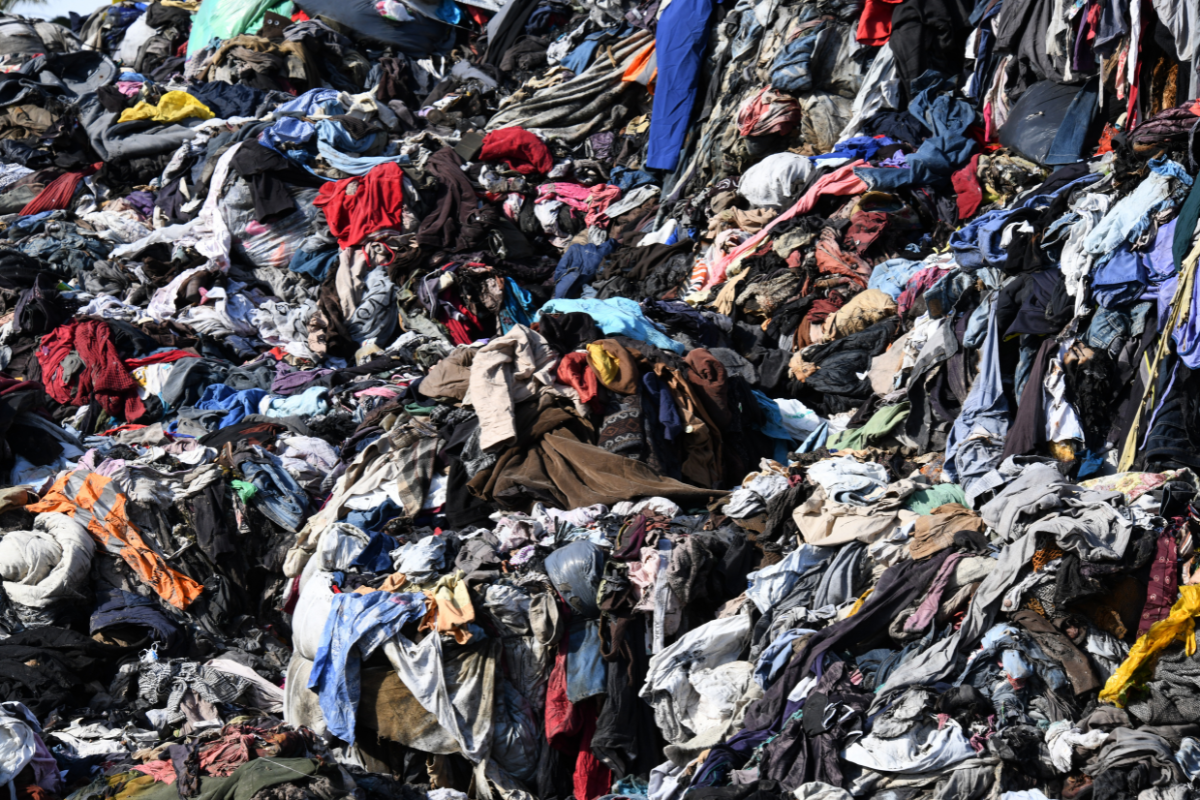
At Washington’s Common Threads forum, Rachel Kibbe urged states to exempt secondhand purchases from sales tax to boost reuse and build recycling markets as EPR proposals advance. | Ernest-Rose/Shutterstock

Editors note: Join us at the 2026 Resource Recycling Conference where we’ll dive deeper into the topic of reuse.

At a recent Washington Department of Ecology webinar focused on how policy can shift fashion toward reuse, circular-economy advocate Rachel Kibbe argued that a targeted tax change could make secondhand purchases more affordable while helping states prepare for new recycling rules.

Speaking on October 2 during the Common Threads: Textile Listening Series, Kibbe said removing sales and use taxes from secondhand goods would cut costs for consumers and strengthen resale markets. The discussion, hosted by the state’s Recycling Market Development Center (RMDC) within Ecology, drew about 70 participants from business, government and advocacy groups, according to Kibbe. 

Kibbe is founder and chief executive of American Circular Textiles, a national coalition that advises lawmakers on EPR and related textile policy. “We are the only national coalition focused exclusively on circular textile policy in the United States,” she said. “Every stick needs a carrot.” She framed secondhand tax exemptions as a demand-pull complement to EPR’s regulatory approach.

Under current practice in many states, used goods are taxed when sold new and again when resold. Kibbe said ending the second charge could lower purchase prices by about 9% in Washington, increase business revenues by $20 million to $36 million a year and keep roughly 15 million pounds of textiles out of landfills over several years. She presented those figures as her organization’s analysis specific to Washington.

In January, Resource Recycling profiled national efforts to scale textile reuse and recycling, from Goodwill’s network to mail-back programs, and a conference panel that mapped infrastructure gaps and policy needs. The piece underscores growing interest in EPR and private-sector partnerships that set context for Washington’s listening series. The RMDC was created by the Washington Legislature in July 2019 to develop in-state markets for recyclables and to support research, business assistance and policy evaluation.

Kibbe emphasized, in a discussion with Resource Recycling, that incentives must sit alongside regulation if states expect reuse and recycling to scale. She pointed to the proposed Americas Act, bipartisan federal legislation first introduced in 2024, which would direct more than $14 billion in loans and grants toward textile reuse and recycling, innovation, workforce training and public education. Her coalition has publicly supported and consulted on the textile provisions. 

The tax-exemption concept has faced hurdles. Lawmakers in Maryland and North Dakota examined limited tax-holiday versions in past sessions, but proposals stalled as officials weighed the loss of revenue dedicated to services such as roads and schools. Kibbe said those concerns are central to the debate, which is why states may consider caps by price or category and clear tracking rules for stores that sell both new and used goods.

Recent industry moves show both momentum and gaps. A Goodwill–WM collaboration announced in November 2024 aims to expand collection and sorting through a regional network with textile recycler Reju, a sign of growing private-sector engagement that still needs stronger market demand and processing capacity. 

Kibbe added that not every garment can be resold and that US recycling capacity remains small. She said finance and workforce programs envisioned in the Americas Act could help build reverse logistics and processing so that collected textiles do not default to disposal. 

During the Q&A portion of the webinar, questions coalesced around exports and equity, and Kibbe cautioned that restricting exports too quickly could harm domestic operators that still rely on global resale markets while US capacity develops, citing European debates and industry pushback. She also cast the tax-exemption idea as an affordability tool for shoppers who weigh secondhand against low-cost fast fashion.

Public engagement is part of her strategy. A two-month petition campaign launched in 2024 by American Circular Textiles drew about 1,600 signatures and has since been reopened with a template letter to state lawmakers. Coverage by trade and business media has highlighted the aim of ending what advocates call double taxation on secondhand apparel. 

For RMDC, Common Threads continues a year of sustained programming. Ecology’s spring webinar series Unraveling the Textile Industry for a Regenerative Washington established common language and documented pain points such as data gaps and the cost of collection. Those sessions set up the fall’s listening events, which concentrate on policy options and market signals. 

Kibbe said the coalition’s goal is to help make rules workable and incentives effective. “We consulted on the Americas Act,” she said, noting that states will also need measures that stimulate demand for resale. She encouraged attendees to connect with her organization if they are interested in advancing secondhand sales and use tax exemptions and to add their names to the petition. 

The Common Threads series will continue later this year, with sessions expected to examine textile recycling infrastructure and innovation pathways. 

Tags: EPRRepair & Reuse
TweetShare
Scott Snowden

Scott Snowden

Scott has been a reporter for over 25 years, covering a diverse range of subjects from sub-atomic cold fusion physics to scuba diving off the Great Barrier Reef. He's now deeply invested in the world of recycling, green tech and environmental preservation.

Related Posts

The State of Oregon seal at a park in Salem, Ore.

MRM bids to run Oregon EPR for second year 

byPaul Lane
July 28, 2026

The company won the competitive process for 2026, but was the only company to apply for the 2027 PRO post.

A call to action: End markets and EPR

EPR faces several key questions

byBrian Clark Howard
July 23, 2026

Panelists discuss the promise and perils of EPR nationwide at the PROP conference in Pennsylvania.

RecyClass hits 500 EU recyclability evals

RecyClass hits 500 EU recyclability evals

byAntoinette Smith
July 21, 2026

The most recent evaluations include Avery Dennison's RFID tag for PET bottles, ahead of the first PPWR enforcement in mid-August.

Cascade Asset Management sees higher sales volumes

Sorted: Restoring mineral supplies, one junk drawer at a time

byPaul Lane
July 20, 2026

Industry experts say educating businesses and their customers about how to turn in used electronic devices can free up useful...

CarbonLite to open $60 million Pennsylvania plant

Federal judge blocks CA ‘Truth in Recycling’ (SB 343) law

byStefanie Valentic
July 15, 2026

A federal judge has blocked California from enforcing SB 343's recyclability labeling restrictions, ruling the "Truth in Recycling" law is...

AI can boost strength of secondhand device market

byPaul Lane
July 10, 2026

Players in the preowned mobile device industry say continual self-evaluation will help them adapt to a changing marketplace.

Load More
Next Post

Colorado’s EPR rollout enters next phase of development

2026 Buyers’ Guide

Equipment, services and technology suppliers serving the recycling industry.

Browse the Guide

More Posts

Certification Scorecard — Week of July 27, 2026

July 29, 2026
From claims to custody: PCR procurement grows up

From claims to custody: PCR procurement grows up

July 10, 2026
In Our Opinion: Coalitions: The EPR Differentiator

Inside NAW’s constitutional case against packaging EPR

July 6, 2026

NERC forum explores textile reuse

June 30, 2026
Report: Battery ‘retirement tide’ nears

Report: Battery ‘retirement tide’ nears

March 13, 2025
Our top stories from February 2025

Our top stories from February 2025

March 5, 2025

EPA seeking industry help in shaping new grants

May 25, 2022

Fiber pricing remains steady, mixed news for plastics

April 15, 2025

WM’s Q2 recycling and renewable energy EBITDA jumps

July 29, 2026

Facility fires on pace to match 2025

July 29, 2026
Load More

About & Publications

About Us

Staff

Archive

Magazine

Work With Us

Advertise
Jobs
Contact
Terms and Privacy

Newsletter

Get the latest recycling news and analysis delivered to your inbox every week. Stay ahead on industry trends, policy updates, and insights from programs, processors, and innovators.

Subscribe

Welcome Back!

Login to your account below

Forgotten Password?

Retrieve your password

Please enter your username or email address to reset your password.

Log In

Add New Playlist

No Result
View All Result
  • The Latest
  • Analysis
  • Recycling
  • E-Scrap
  • Plastics
  • Policy Now
  • Conferences
    • E-Scrap Conference
    • Plastics Recycling Conference
    • Resource Recycling Conference
    • Textiles Recovery Summit
  • Magazine
  • About Us
  • Advertise
  • Archive
  • Jobs
  • Staff
Subscribe
This website uses cookies. By continuing to use this website you are giving consent to cookies being used. Visit our Privacy and Cookie Policy.