



This story has been updated.
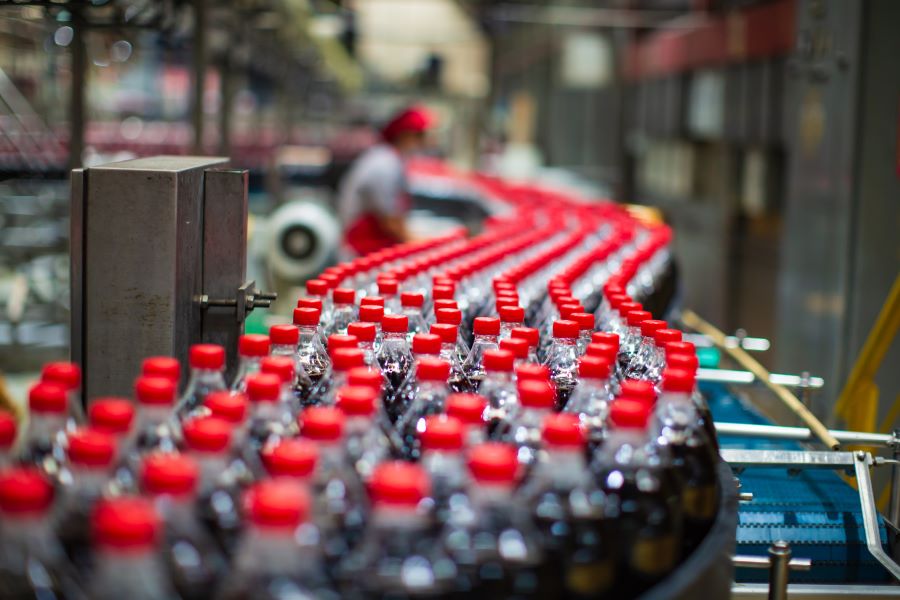
Coca-Cola Co., PepsiCo and other big beverage brands achieved California’s mandate to use 15% PCR in their bottles last year, but the list of smaller brands that failed to hit the target – or even report data to the state – stretches over 500 companies long.
A Plastics Recycling Update analysis of newly released data from the California Department of Resources Recycling and Recovery (CalRecycle) shows that a few dozen companies, including some large ones, exceeded the requirements. Some, such as Keurig Dr Pepper and Niagara Bottling, dramatically increased their RPET purchases for California bottles in 2022.
But the data also shows that most beverage brands either used zero post-consumer resin (PCR) in 2022 or failed to report data to the state by March 1, as required by law.
For years, beverage producers have been required by California law to publicly report how much virgin and recycled plastic they use in their bottles covered by the California Redemption Value (CRV) program. But Assembly Bill 793 made 2022 the first year in which they were required to use PCR, although penalties for failure to meet the requirements won’t be imposed until after 2023 reports are submitted.
How the big companies did
Starting on Jan. 1, 2022, beverage producers were required to average 15% PCR in plastic containers made of all different types of polymers, although the vast majority of drinks are packaged in PET.
The following is data from the 10 largest PET (both virgin and recycled) users in the state in 2022:
- Niagara Bottling (bottled water producer): 132 million total pounds of virgin and recycled PET (16% RPET)
- PepsiCo: 115 million total pounds of PET (17% RPET)
- The Coca-Cola Co.: 74 million total pounds of PET (22% RPET)
- John Lenore & Co. (various beverage types): 35 million total pounds of PET (0% RPET)
- CG Roxane-Crystal Geyser Alpine Spring Water: 33 million total pounds of PET (50% RPET)
- BlueTriton Brands (formerly Nestle Waters North America): 21 million total pounds of PET (34% RPET)
- The American Bottling Co. (Keurig Dr Pepper bottler): 18 million total pounds of PET (23% RPET)
- Nestle USA: 9 million total pounds of PET (19% RPET)
- Talking Rain Beverage Co. (flavored and unflavored waters): 9 million total pounds of PET (0% RPET)
- Premium Waters Inc.: 8 million total pounds of PET (17% RPET)
Some of those companies managed to boost their PCR usage greatly ahead of the mandate taking effect in 2022. For example, Niagara Bottling, which is a private-label bottled water producer for Walmart, Costco, Safeway and others, achieved only 4% PCR in 2021. It boosted its purchases of RPET for California bottles from 7 million pounds in 2021 to nearly 21 million pounds in 2022 to push its recycled content percentage over state requirements.
The American Bottling Co., which is a wholly owned bottler for Keurig Dr Pepper, saw an even larger jump in percentage points. In 2021, the company purchased only 540,000 pounds of RPET to notch 3% RPET use. But last year, the company boosted its RPET consumption to over 4 million pounds of RPET, driving its recycled-content percentage to over 23%.
“In 2020, Keurig Dr Pepper set the ambitious goal to use 25% post-consumer recycled content across our plastic packaging portfolio by 2025,” Charlie Schwarze, Keurig Dr Pepper’s director of packaging sustainability, said in a statement regarding the California data. “Over the past three years, we’ve activated our plans against that commitment, notably transitioning our entire Core Hydration water portfolio and certain packaging within our Snapple brands to 100% rPET. We will continue to incorporate more recycled content across our packaging portfolio in support of a more circular economy.”
Niagara Bottling did not respond by deadline to Plastics Recycling Update’s requests for comment on how the company achieved such a large year-over-year increase.
Data originally posted online by CalRecycle showed that The Coca-Cola Co. fell short of achieving the 15% target in 2022, but when asked by Plastics Recycling Update for comment, a Coca-Cola spokesperson disputed the accuracy of the data posted by the state and insisted the numbers didn’t match what the company submitted to the state. After inquiries from Plastics Recycling Update and Coca-Cola Co., CalRecycle has since posted revised numbers that match what Coca-Cola said it submitted. CalRecycle spokesman Lance Klug explained the error was the result of a staff data-entry mistake.
The Coca-Cola Co. increased its RPET purchases by 1.4 million pounds in 2022 (from 14.7 million in 2021 to 16.1 million in 2022). That increased its PCR percentage from 20% to 22%.
Counting PET, HDPE, PP and all No. 7 (other) polymers together, The Coca-Cola Co. averaged 19% PCR in California in 2022, the company statement emphasized.
“We continue to actively invest in and increase recycled PET in California and beyond to meet our World Without Waste goal of using at least 50% recycled material in our packaging globally by 2030,” Coca-Cola Co. noted in a statement. “In California, consumers can experience 20oz bottles made from 100% recycled material (excluding caps and labels) across Coca-Cola trademark, Diet Coke and DASANI.”
One of the company’s main competitors, PepsiCo, recently reported it plans to roll out 100% RPET bottles for its Pepsi, Mountain Dew and Aquafina brands this year.
CalRecycle identifies over 600 producers
Some smaller brands also accelerated their RPET purchases in 2022 to exceed state requirements. For example, Fiji Water went from using no RPET in 2021 to purchasing 1.5 million pounds for its California water bottles, achieving 36% recycled content. The company says it has been working to transition its bottles across the U.S. from virgin to recycled PET.
CalRecycyle’s spreadsheet lists 601 companies total.
The data shows that 38 achieved or exceeded the 15% PRC target in 2022. Of those 38, 36 of them used recycled-content PET packaging, 1 (fruit-flavored drink maker Mackie International) used 35% post-consumer HDPE bottles, and 1 (juice company King Brands LLC) used 20% post-consumer PS packaging.
Another 160 companies failed to hit the 15% target. Of those 160, 13 used some amount of PCR but fell short of 15%, and 147 companies didn’t use any RPET.
Ten companies reported that they didn’t use any plastic in their containers, although some have names that suggest they’re owned by large companies, including Coca-Cola Co. and PepsiCo, which did report using plastic in bottles.
Finally, the CalRecycle spreadsheet includes the names of 393 companies that hadn’t reported data to the state as of April 5. State law required the information be submitted by March 1.
Klug, a CalRecycle spokesman, said the department developed the list of beverage manufacturers that need to report based on existing beverage container recycling program registrations.
“This is the first year this data is required to be reported in this way, so CalRecycle is doing outreach to regulated manufacturers on their reporting obligations under AB 793 to ensure they understand their compliance requirements and meet deadlines,” Klug said.
He added that CalRecycle is issuing notices of non-compliance to manufacturers that did not meet the requirements in 2022. “CalRecycle is working closely with manufacturers and others required to report under AB 793 to make sure they understand all plastic recycled content requirements and reporting requirements, including how to report for each separate manufacturer,” he said.
State statutes call for penalties to be imposed starting March 1, 2024, for producers’ failures to meet the PCR requirement in 2023. The administrative penalties can total as much as 20 cents for each pound the company falls short of the target.
That means that if some of the bigger brands don’t boost their PCR percentages this year, they could face penalties of hundreds of thousands of dollars or more.
And the law states that the required PCR percentage rises to 25% in 2025 and 50% in 2030.
The legislation included important exemptions, however. For example, beverage companies that sell 16 million or fewer drinks per year are exempt. The weight data posted by CalRecycle suggests dozens of brand owners could fit into that exemption.
Additionally, drink brands that fall short can submit corrective action plans to the state, and CalRecycle has the authority to reduce the penalties. Starting in 2025, brands can collectively petition CalRecycle to lower the standards, as well. CalRecycle is addressing the specifics of how those processes will work through its rulemaking.
Recycling industry players have called minimum-recycled-content mandates, such as those in California, New Jersey and Washington state, important tools for ensuring demand for post-consumer resin. But packaging producers and brand owners say that constrained supplies of food-grade PCR present a serious roadblock.
This story has been updated with CalRecycle’s responses to Plastic Recycling Update questions about the data.