




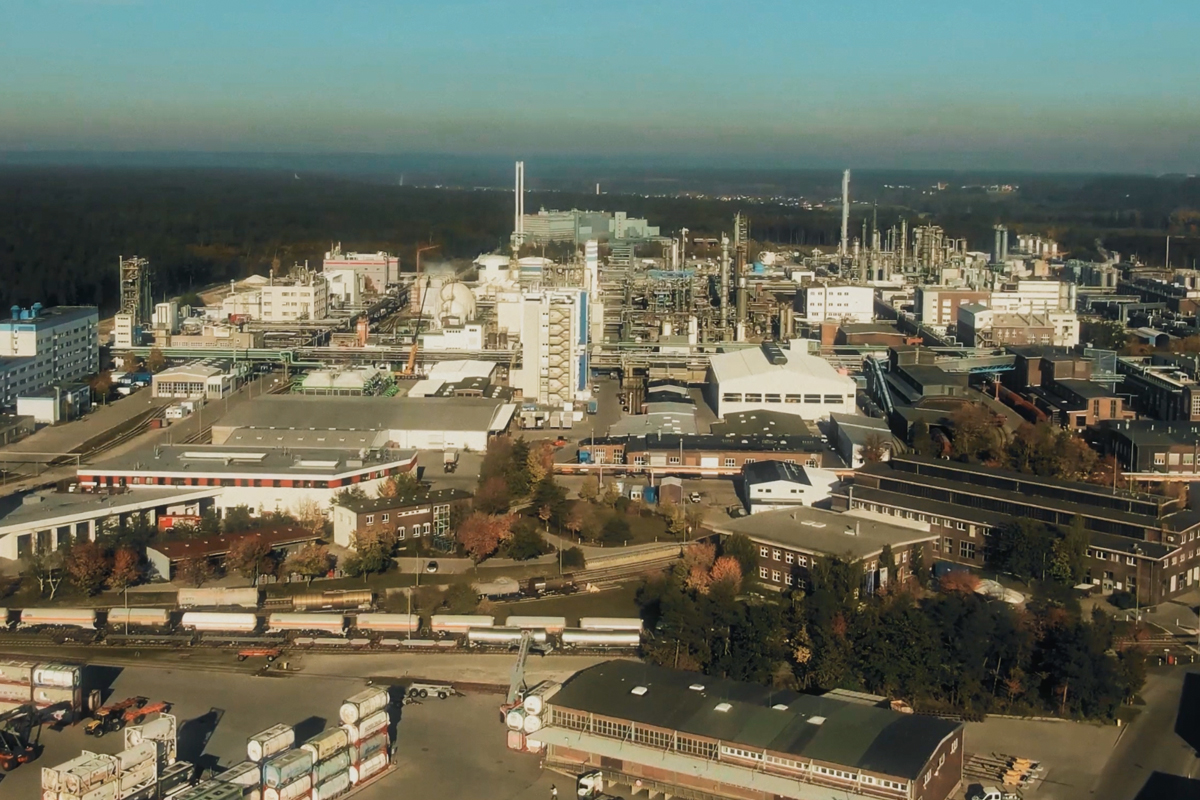
Tozero, a Bavaria-based battery recycling startup, has opened an industrial demonstration plant designed to recover lithium and other materials from end-of-life batteries, marking a step toward expanding Europe’s domestic supply of critical raw materials.
The company said the facility at Chemical Park Gendorf can process about 1,500 metric tons of battery scrap annually and recover lithium, graphite and a nickel-cobalt mix at industrial scale. The plant was built in roughly six months and will serve as a model for a larger commercial operation planned by 2030.
Materials recovered at the site include lithium carbonate that can be fed back into battery manufacturing, along with graphite and nickel-cobalt intermediates used in a range of industrial applications. The company said its hydrometallurgical process avoids the use of acids and operates in a single cycle, producing materials suitable for reuse in manufacturing.
Sarah Fleischer, co-founder and CEO, said Europe lacks sufficient domestic supply of critical raw materials needed to support battery production and electrification efforts.
“Europe doesn’t yet have the critical raw materials it needs to build and scale its own energy transition and battery industry,” Fleischer said. “Our technology, now scaled 10,000 times, changes this by enabling us to recycle end-of-life batteries and extract these materials at industrial scale.”
The company said it has supplied recycled lithium and graphite to battery material manufacturers and has completed pilot projects with automotive OEMs, including BMW and MAN. It reported lithium recovery rates above 80%, a level aligned with European Union targets set for 2031.
The project comes as policymakers in Europe seek to reduce reliance on imported materials. The EU Critical Raw Materials Act calls for 25% of supply to come from recycling, while demand for lithium is expected to increase sharply over the coming decade.
Dr. Ksenija Milicevic Neumann, co-founder and CTO, said scaling the process from laboratory development to industrial operation represents a key step in validating the technology.
“Scaling our technology from lab to industrial production in such a short time is a defining milestone,” Milicevic Neumann said. “It marks the transition from development to real-world validation at industrial scale.”
Europe currently depends heavily on imports for battery materials, including lithium and graphite, even as volumes of end-of-life batteries increase. Companies developing recycling capacity are seeking to recover those materials from existing supply streams and return them to manufacturing.
Tozero said its demonstration plant will inform the design of a full-scale facility capable of processing tens of thousands of metric tons of battery scrap annually. The company aims to expand its network of partners across Europe as it scales production capacity over the remainder of the decade.