




American Battery Technology Company (ABAT) reported $7.8 million in revenue for its most recent quarter, a 64% increase from the previous quarter.
The Reno, Nevada-based battery recycler “significantly ramped and streamlined operations” at its critical mineral recycling facility, posting its first-ever positive gross margin. ABTC’s fiscal year ends June 30.
Q3 FY2026 highlights (quarter over quarter):
Revenue: $7.8 million (+64% from Q2, +680% year over year)
Cost of goods sold: $7.1 million (+11% from previous quarter)
Gross margin: $0.7 million (first positive gross margin in company history)
Adjusted gross margin (non-GAAP): $2 million
Cash: $38.5 million, $0 debt
The positive results come as the Trump administration has elevated domestic critical mineral supply as a national priority and moved to reduce US reliance on China imports. CEO Ryan Melsert told investors ABTC’s two business lines, battery recycling and primary lithium extraction, are built to address both sides of the supply gap.
“Closing the loop is extremely important for gaining access to these critical minerals,” Melsert said. “However, in addition to closing the loop, we also need to fill that loop the first time. And that’s why we also have acquired critical mineral deposits within the US and have designed our own processes for how to access these critical minerals and how to manufacture them back into battery-grade products.”
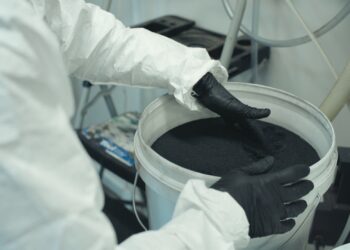
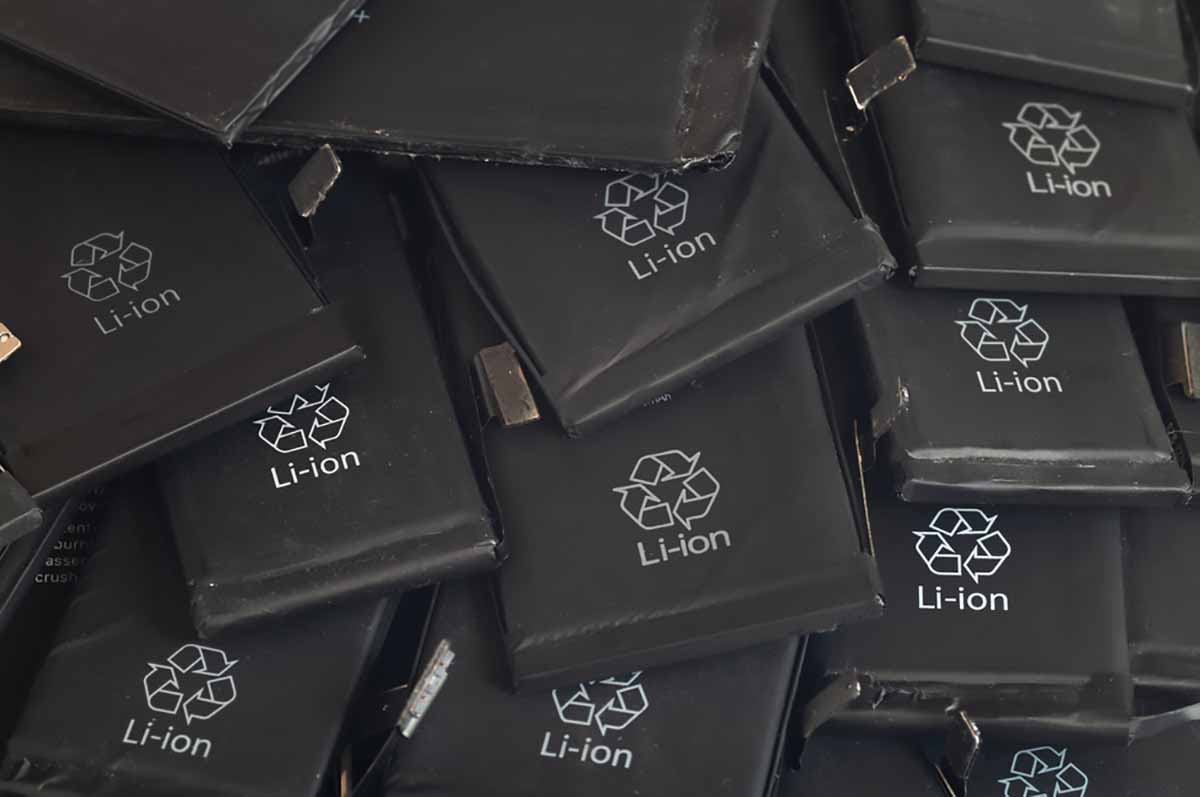
ABTC’s Nevada recycling facility, which holds EPA CERCLA permitting, processes lithium-ion batteries from manufacturing waste and end-of-life sources into recoverable critical minerals. The company is one of few recyclers in the western US capable of handling CERCLA or Superfund waste, which includes hazardous substances such as asbestos and lead.
Growth during the quarter was driven largely by increased operational capacity at the facility, with a “significant” portion of feedstock coming from battery Energy Storage Systems supporting data centers and AI development, along with end-of-life electric and hybrid vehicles and consumer electronics.
“We work very closely not just with automotive companies to recycle electric vehicle batteries, but also with large grid operators,” Melsert said. “A significant portion of our feed over the past few months has come from these large energy storage systems that are largely used to support data centers and artificial intelligence development.”
He added that the gross margin result is a milestone few companies achieve in their early stages.
“This allows us to have a positive gross margin, the first positive gross margin that this company has had,” he said. “And this is an achievement that many start-ups never get to.”
For the first nine months of the fiscal year, ABTC reported $13.5 million in revenue, 792% growth year-over-year.
Melsert told investors the company is “getting very close to adjusted gross margin positive operations” on a fiscal year-to-date basis with one quarter remaining.
Capacity expansion
ABTC confirmed it is moving forward with a second critical mineral recycling facility in the Southeast US, expected to exceed the capacity of the Nevada plant.
Melsert said company officials have met with economic development agencies and state-level officials and an announcement is expected soon.
“A lot of the decision of where we actually specifically put the second facility is in consultation with our partners throughout the supply chain so that we continue to enhance operations as we scale the second facility,” he said.
Tonopah Flats mining project
The company’s primary extraction work continues to progress as well. ABTC’s Tonopah Flats lithium mining project in Nevada, one of the largest identified lithium deposits in the US, continued to advance through federal permitting.
The project holds Fast-41 Transparency Covered Project designation, providing streamlined review through the National Energy Dominance Council and the Federal Permitting Improvement Steering Council, according to the company.
ABTC also completed all baseline environmental studies submitted to the Bureau of Land Management, a process that began in fall 2022 and represented nearly four years of work across 40-plus agencies and 21 study areas, Melsert noted.
The company has initiated its Definitive Feasibility Study (DFS), the final engineering and financial analysis phase before commercial production.
“The DFS is really the final phase of the engineering and financial analysis that we need to communicate to our offtake partners, to our investors and to all stakeholders,” Melsert said.