




This story originally appeared in the August 2016 issue of Plastics Recycling Update.
Subscribe today for access to all print content.
How should we measure the sustainability of packaging? Through the recycling rate for the material it’s made of? Through energy used? Through the package’s ability to reduce overall waste?
Increasingly, the answer appears to be “all of the above – and more.”
Recent articles in this publication and elsewhere have appropriately bemoaned the recent struggles in recycling markets. Fluctuations in the energy business have challenged economic conditions for many recycled packaging materials. A few groups have indicated this downturn validates their call for consumer product companies to pay for recycling, and they have cited increased recycling as the primary path toward sustainability.
However, many industry experts are shifting from such narrow approaches to broader, more comprehensive methods for measuring sustainability.
Recycling just one piece of the puzzle
Progressive thinkers and organizations are moving toward sustainable materials management (SMM), a systemic approach to using and reusing materials more productively over their entire life cycles. SMM seeks to establish an explicit, overarching materials management goal, beyond just recycling, to reduce the environmental impact of materials. Focusing on the broader measures of sustainability allows us to see the big picture, the forest rather than just trees.
To be sure, it’s useful to establish recycling targets and treat post-use materials as resources as stakeholders aim to prevent materials from becoming litter or part of the waste stream. However, recycling is just one aspect of managing materials and cannot be the sole measure of success. To base sustainability entirely on recycling would ignore the environmental benefits of packaging (particularly lightweight packaging) and the many other issues beyond solid waste that we all must grapple with.
A good way to examine this broader approach is to look at the role of packaging: why we use and why we need it.
Packaging’s primary role is to deliver goods intact, clean and fresh. While many people see packaging as “waste,” the real waste is not the packaging – it’s the waste of damaged products if packaging fails. Packaging actually prevents a lot more waste than it creates.
Look at food packaging. According to the U.K.-based Industry Council for Research on Packaging and the Environment, typically around 90 percent of the environmental impact of growing and delivering food comes through resources used in food production and transportation. Only 10 percent is related to the packaging that delivers it safely. In other words, packaging is an investment in protecting our food and the resources we use to produce it.
Proper packaging serves many duties and requires a complex collaboration among materials makers, machine makers, additives suppliers, packaging designers, consumer product companies and others. This collaboration can take years to unfold as these partners consider sustainability, cost, shelf life, heat and cold resistance, barrier properties, and other attributes that must work together to protect the integrity of a product all the way to the final user.
Furthermore, in a world that throws away 40 percent of the food it makes (from farm to fork), it would be a travesty to use anything but the right packaging to help reduce food waste, which today is the highest volume material going to U.S. landfills. Proper packaging can provide barriers to oxygen, light, temperatures, moisture, microbes, critters and dirt. This protection can greatly extend the shelf life of food, leading to less food waste.
Nevertheless, we often read that we’re drowning in a growing sea of packaging waste, caused by rampant over-packaging of food and consumer goods. But a closer look reveals that according to figures from the U.S. Environmental Protection Agency, packaging waste has remained steady between 1994 and 2012, despite population growth.
So why is a growing population not generating more packaging waste? Because consumer product companies are continually encouraging thinner and lighter containers and finding innovative ways to reduce the amount of packaging for delivering food and other goods.
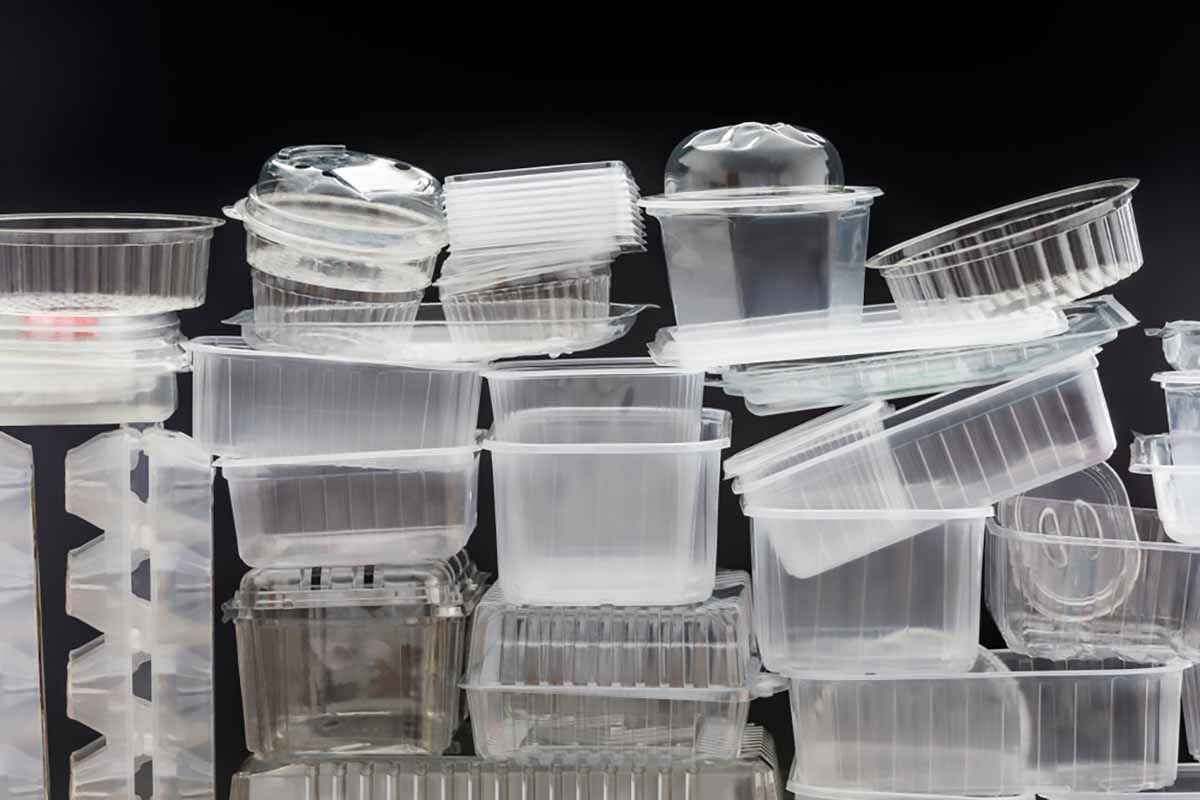
Lightweight plastics play a big role. The very nature of plastics – lightweight yet strong – makes the material ideal for all sorts of packaging and helps minimize the environmental impacts of the packaging. In the hierarchy of waste management, source reduction is recommendation number one. And plastics are all about source reduction, since they allow us to do more with less.
A better way to measure sustainability
If it’s true that packaging helps to cut down on overall waste in a number of ways, how should we be measuring its overall environmental impact? Any useful measure of sustainability will look at impacts across the entire life cycle of packaging, not only post-use. This includes all of the material and energy inputs and outputs of the packaging: energy used in manufacturing, water use, energy used in transportation, greenhouse gas and other emissions, impacts of solid waste disposal, and so on.
A 2014 materials life cycle study in the U.S. by Franklin Associates showed that if we replace plastic packaging with alternatives, we would dramatically increase the amount of packaging material.
The research found alternatives would require 4.5 times as much material by weight and increase the amount of packaging used by nearly 110 billion pounds yearly, which would boost overall waste generation by 22 percent. Replacing the material with alternatives would also increase energy use by 80 percent and would result in 130 percent more global warming potential. A life cycle study in Europe came to similar conclusions.
In addition to resource efficiency, an SMM analysis also looks at recyclability. Fortunately, even as packaging evolves and economic forces sometimes cause fluctuations in markets for used materials, recycling continues to grow. The U.S. recycling rate has more than doubled since 1990 to 34 percent, according to the U.S. EPA.
Recycling extends the life of valuable materials and reduces energy use, waste and litter. And it cuts greenhouse gas emissions – in the case of paper recycling, annual diversion efforts lead to the greenhouse-gas reduction equivalent of removing 28 million cars from the road.
And more and more packaging is being diverted from the waste stream. For example, plastics recycling in the U.S. has been growing since measuring began in the early 1990s. The volume of plastics recycled has doubled since 2009, and the demand for recycled plastics continues to grow. Plastics recycling and energy recovery from non-recycled plastics together diverted 27 percent of all plastics from landfills in 2013.
The power of partnering
These gains are expected to continue as industry cooperation proliferates. For example, plastics makers, brand owners, retailers and recycling entities have invested billions of dollars in plastics recycling in recent years. They are tackling barriers to recycling in a number of ways.
First, stakeholders are expanding the types of plastic film packaging accepted for recycling. The Wrap Recycling Action Program (WRAP) is a public-private partnership designed to increase recycling of plastic wraps, bags and film. Other efforts, such as The Recycling Partnership, are encouraging increased curbside recycling programs.
Cooperation has also been seen in the push to create a common plastics recycling language. A broad group of recycling advocates created the Plastics Recycling Terms & Tools project to provide common terminology for recycling programs.Expanding the Scope
 That’s all happened as industry players have developed new ways to sort plastics. For example, the Closed Loop Fund is a social impact fund investing $100 million to increase the recycling of products and packaging. One of its first investments is a large plastics recycling facility outside of Baltimore that relies on cutting-edge sorting technology to recycle types of plastics that are not widely recycled today.
Finally, stakeholders are providing technical support for packaging design and recycling. The Association of Plastic Recyclers, for instance, works to identify and eliminate barriers to recycling by developing protocols for the design of packaging for greater recyclability, helping improve the quality of post-consumer plastics, and educating key audiences.
These and additional efforts to increase plastics (and other) recycling have become key measures in corporate sustainability goals.
Of course, the public sector plays a key role in encouraging increased recycling. For example, the state of Oregon in 2015 released a report on ways to recycle more plastics in the state – a thoughtful assessment of all available sources of used plastics and a path forward to collect them.
Emerging technologies to improve sustainability
While barriers remain to 100 percent recycling rates for plastics (or any material), new technologies and updated thinking about the value of plastics are leading to innovative ways to recover their inherent energy.
The molecules that make up plastics are useful resources, so burying used plastics in landfills is a waste of potential assets. A growing number of technologies promise to recover an increasing portion of the energy from used plastics by converting plastics into useful fuels or feedstocks for new products.
These evolving technologies are capable of producing a wide variety of products that can be sold into numerous industries, helping to strengthen and expand the opportunities to divert even more plastics from landfills. This can help further diminish the environmental footprint of these materials by leading to fewer greenhouse gas emissions and using less energy and water compared with the use of virgin alternatives.
Unfortunately, regulations in most states treat these fuel-conversion technologies as waste disposal, enacting cumbersome restrictions that are ill-suited to manufacturing. These unsuitable definitions create a significant barrier for innovation. Fixing these outdated regulations could unleash huge potential.
‘Change in how our society thinks’
SMM looks across all these various life cycle aspects of materials to help us make more informed choices. As the U.S. EPA notes: “Sustainable materials management represents a change in how our society thinks about the use of natural resources and environmental protection. By looking at a product’s entire life cycle we can find new opportunities to reduce environmental impacts, conserve resources, and reduce costs.”
The EPA and progressive states such as Oregon and Minnesota are rapidly moving toward SMM. Recycling will remain a key tool for managing post-use packaging. But to make strides toward greater sustainability, we must look at packaging from all angles, including resource extraction, manufacturing, transportation, use and then post-use.
It’s time to look at the whole package, so to speak.
Steve Russell is the vice president of the American Chemistry Council’s Plastics Division. Mike Gruber is senior vice president of federal affairs for the Grocery Manufacturers Association.