




As states continue adopting extended producer responsibility (EPR) laws, the recycling industry is facing increasing pressure to meet ambitious recycling targets. The Recycling Participation Fund, announced this week by The Recycling Partnership (TRP) and backed by Arconic Foundation, Milliken & Company Charitable Foundation, Niagara Cares, Procter & Gamble and Primo Brands, is built around a simple premise: one significant barrier to higher recycling rates is getting residents to participate correctly and consistently.
The fund comes as producers in several states prepare to use EPR laws that establish recycling and material recovery targets, increasing pressure to capture more recyclable materials from households. According to a spokesperson for TRP, participation has become an increasingly urgent challenge because significant amounts of recyclable material never enter the recycling system in the first place.
The fund aims to address everyday obstacles that prevent households from recycling while rebuilding public confidence in local recycling programs. Organizers say EPR regulations are creating urgency across the recycling value chain as producers and communities work toward recovery and recycling targets that cannot be achieved through infrastructure investments alone.
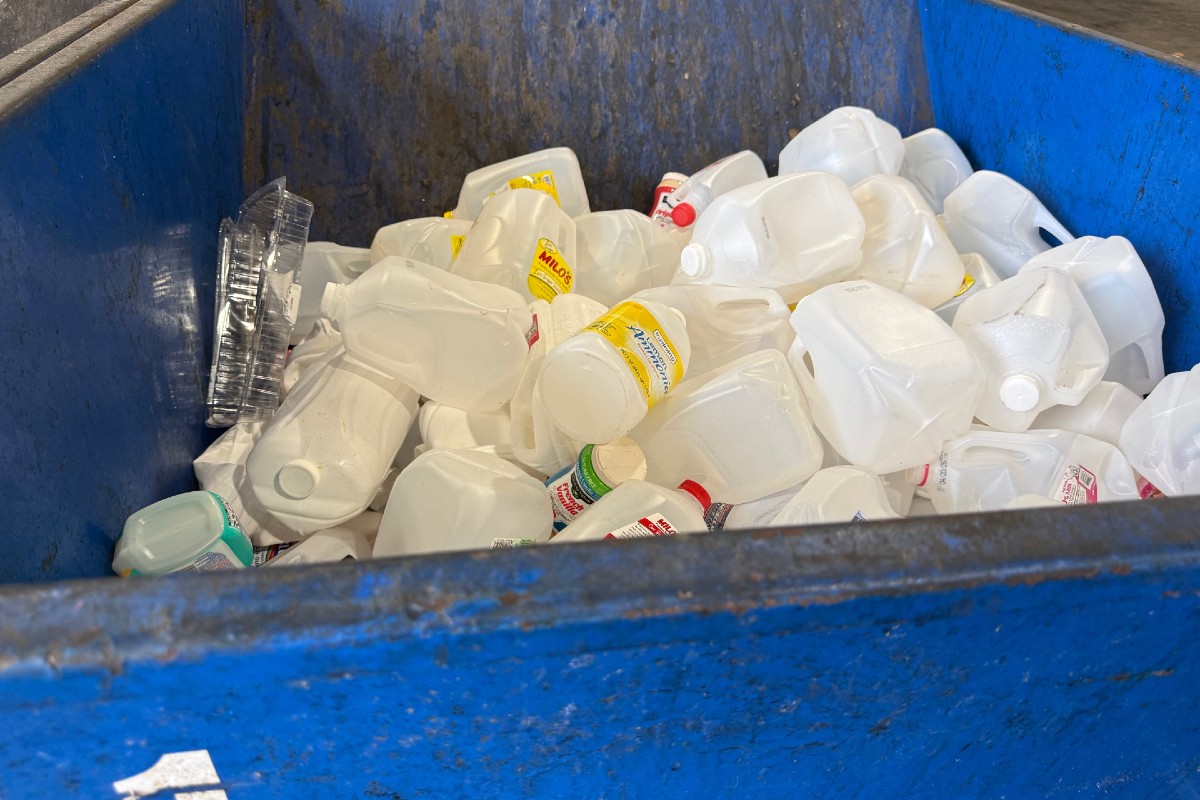
According to TRP, more than 50% of recyclable material is lost in homes before it ever enters the recycling system. This suggests that a portion of potentially recyclable materials never reach sorting facilities, limiting recycling rates drastically.
“People want recycling to work, and they want to know their actions matter,” Cody Marshall, chief recycling officer at TRP, said in a statement.
“The challenge is no longer just access to recycling, but participation,” the organization states on its website.
“People need clear rules, consistent messaging, convenient recycling service and tools, and confidence that what they recycle is actually being collected, processed and turned into new products,” the TRP spokesperson said in response to Resource Recycling. The spokesperson added that as EPR programs expand recycling access, behavior-change efforts should be viewed as “foundational infrastructure” rather than an optional addition.
The fund’s approach centers on four factors it says drive participation: access, ease, appeal and norm. These principles focus on providing convenient recycling opportunities, simplifying recycling instructions, creating motivating messaging and reinforcing recycling as a visible, community supported behavior.
TRP’s spokesperson said the specific interventions supported by the fund will vary by community. Potential strategies include clearer cart labeling, improved move-in materials for multifamily residents, targeted outreach campaigns, stronger local messaging efforts and physical tools designed to make recycling easier at home. The organization said it is drawing on more than 200 behavior-focused projects conducted across the country to identify and scale the most effective approaches.
Supporters point to Michigan as an example of how participation focused efforts can improve recycling outcomes. The state’s overall recycling rate, which includes recyclable materials such as paper, glass, metals and plastics, increased from 14% in 2019 to 25% in 2025. State officials attribute the increase to a combination of infrastructure investments and statewide public education efforts, including the “Know It Before You Throw It” campaign. According to a survey commissioned by the Michigan Department of Environment, Great Lakes, and Energy, three in four residents reported changing their recycling behavior since the campaign launched in 2019, while recycling access expanded through the rollout of more than 333,000 new curbside recycling carts serving more than 1.2 million residents.
TRP said Michigan helped demonstrate that infrastructure investments and behavior-focused strategies are most effective when implemented together. Since 2019, the organization has worked with the Michigan Department of Environment, Great Lakes, and Energy to invest nearly $9 million in grants supporting more than 200 communities through recycling carts, facility improvements, contamination reduction efforts and public education initiatives.
“One of the biggest takeaways from Michigan and many of The Recycling Partnership’s projects over the years is that access alone is not enough,” the organization spokesperson said. “Placing a cart at the curb is important, but it will not fix everything.”
Rather than focusing on expanding collection systems, the Recycling Participation Fund seeks to test and scale interventions that help more recyclable material make it from households into the recycling stream. The fund plans to test new participation strategies in California, Texas, Arkansas and other priority regions, with an initial 10 community deployments planned during its first year.
The fund will invest in research and community engagement efforts designed to understand why residents do or do not recycle and then deploy strategies to increase participation. Those efforts may include resident surveys, focus groups, education campaigns, improved recycling instructions, better bin labeling and placement, and other interventions aimed at making recycling easier, more appealing and more routine. The organization plans to measure the results and share successful approaches with communities across the country as they continue to accelerate recycling rates.
The organization also said the fund is intended to help producers and communities meet recycling targets established under EPR laws. According to TRP, EPR legislation now reaches roughly 20% of Americans across seven states, but achieving recycling rate goals will require sustained investment in participation efforts in addition to infrastructure improvements.
This story was updated at 1:12 am ET on June 13, 2026 with information from TRP.