




Resource Recycling
  • The Latest
  • Analysis
    • All
    • Certification Scorecard
    • Industry Announcements
    • Opinion

    ITAD is moving past its adolescent phase: beyond end-of-life

    Rainforest

    Inside the Circle: What the rainforest can teach us about EPR

    Closeup of a printed circuitboard

    Hardware demand puts new focus on parts harvesting

    Rare look inside the world’s largest plastics recycler

    Mass balance matters: Why different rules can lead to different outcomes 

    Certification Scorecard — Week of June 1, 2026

    IT asset disposition and electronics recycling: Now and then

    $60 billion in AI servers will create an ITAD challenge

  • Conferences
    • Resource Recycling Conference
    • Plastics Recycling Conference
    • E-Scrap: The Longevity Conference
    • Textiles Recovery Summit
  • Publications
    • E-Scrap News
    • Plastics Recycling Update
    • Policy Now
    • Resource Recycling
    • Other Topics
      • All Topics
      • Brand Owners
      • Critical Minerals
      • Glass
      • Grant Watch / RFPs
      • Markets
      • Organics
      • Packaging
      • Research
      • Technology
      • Textiles
Subscribe
No Result
View All Result
Resource Recycling
  • The Latest
  • Analysis
    • All
    • Certification Scorecard
    • Industry Announcements
    • Opinion

    ITAD is moving past its adolescent phase: beyond end-of-life

    Rainforest

    Inside the Circle: What the rainforest can teach us about EPR

    Closeup of a printed circuitboard

    Hardware demand puts new focus on parts harvesting

    Rare look inside the world’s largest plastics recycler

    Mass balance matters: Why different rules can lead to different outcomes 

    Certification Scorecard — Week of June 1, 2026

    IT asset disposition and electronics recycling: Now and then

    $60 billion in AI servers will create an ITAD challenge

  • Conferences
    • Resource Recycling Conference
    • Plastics Recycling Conference
    • E-Scrap: The Longevity Conference
    • Textiles Recovery Summit
  • Publications
    • E-Scrap News
    • Plastics Recycling Update
    • Policy Now
    • Resource Recycling
    • Other Topics
      • All Topics
      • Brand Owners
      • Critical Minerals
      • Glass
      • Grant Watch / RFPs
      • Markets
      • Organics
      • Packaging
      • Research
      • Technology
      • Textiles
Subscribe
No Result
View All Result
Resource Recycling
No Result
View All Result
Home Plastics

A look at recycling’s role in preventing ocean pollution

Colin StaubbyColin Staub
May 28, 2020
in Plastics
A look at recycling’s role in preventing ocean pollution
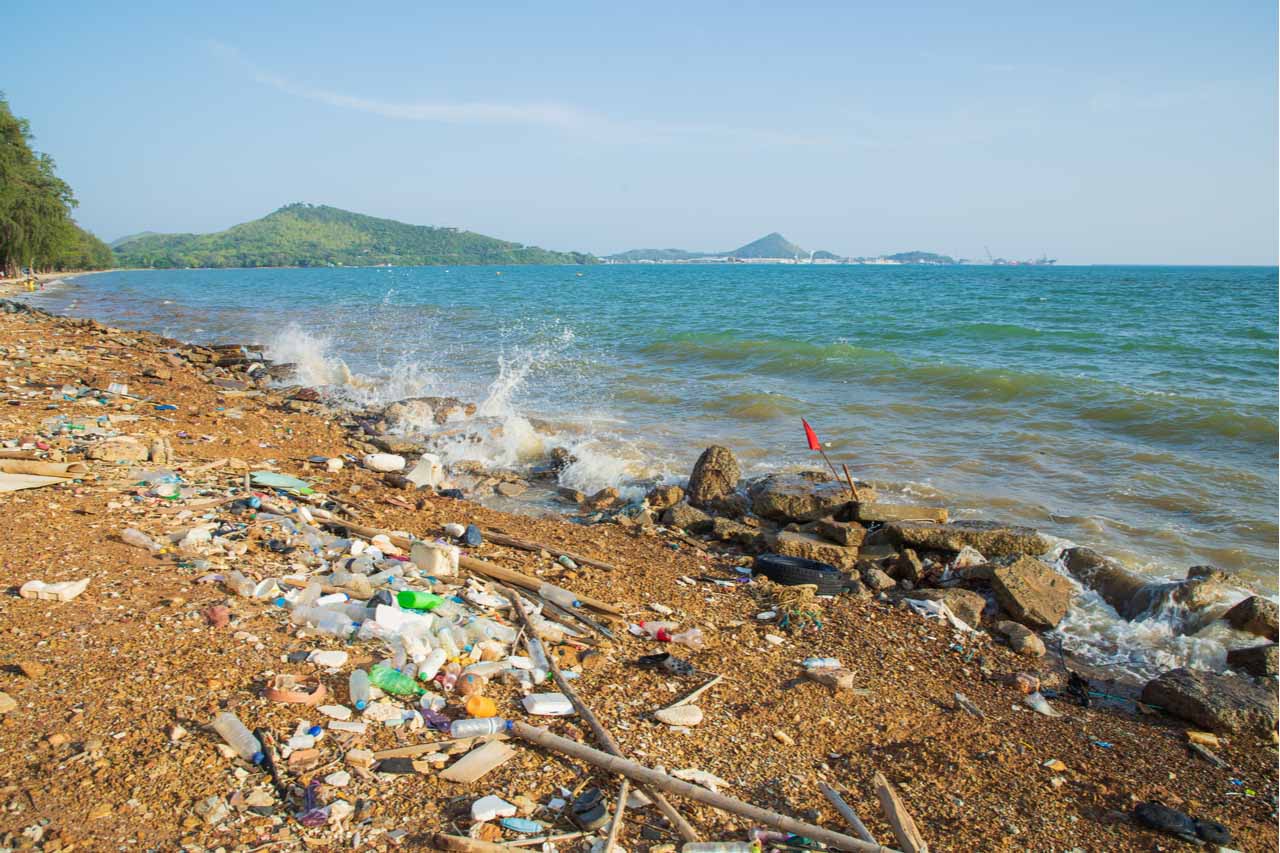
Researchers identified recycling as a critical piece of the solution to reducing ocean pollutants.| BBbirdZ/Shutterstock

A policy paper from leading ocean plastic experts lays out a strategy for reducing plastic and other pollutants in the world’s waterways. Researcher Jenna Jambeck and others offered details on how materials recovery fits into the plan.

The paper, released May 27, lays out seven “holistic approaches” for reducing pollutants in the oceans. Those pollutants include plastic as well as other substances such as oil, gas, organic material and more.

“Recover and recycle the materials we use” is one of the seven approaches, joining strategies including improving wastewater management, improving resource efficiency, implementing coastal zone improvements and more.

In a press conference discussing the paper, Jambeck and co-authors Ellie Moss and Brajesh Dubey expanded on how recycling – both in the U.S. and internationally – is connected with reducing ocean pollution.

“Many of the resources that are currently polluting the ocean are valuable resources that shouldn’t just be floating around in the sea causing trouble,” said Moss, an independent consultant. “There actually is a lot of value that is afloat in the ocean.”

She said recycling is a “critical piece of the solution,” particularly because it offers a way to simultaneously capture that value and also prevent the material from entering the environment.

Jambeck is a professor at the College of Engineering at the University of Georgia and has helped develop important analysis quantifying the marine plastics problem.

She said it’s important to note that the new paper is geared toward international solutions, and that recycling infrastructure improvements in the U.S. will look different from what’s needed in India, for example.

In the U.S., materials recovery progress might involve rolling out additional carts or improving recycling markets to ensure there is demand for collected material. In India, efforts toward infrastructure development must take into account other factors, such as the informal recycling sector.

“Improving recycling there is going to be an inclusive solution that makes sure that we’re not putting millions of people out of work as we improve infrastructure,” Jambeck said. “Mostly they need protective gear and equipment, actual buildings to work in.”

Still, some recycling improvements, such as optimizing material sorting, have relevance everywhere.

“When we talk about recycling, especially from the perspective of India, the number one thing that needs to happen is proper source segregation,” said Dubey, a professor at the Indian Institute of Technology Kharagpur in India.

He echoed Moss’s point that the plastic that makes its way to the ocean does have value. “But since it all gets mixed up, the value gets lost,” he said. “To keep the value intact, we need to have source segregation happen.”

More specific to the system in the U.S., the white paper identifies “implementing extended producer responsibility laws” as one policy strategy to improve materials recovery in the municipal sector.

“Basically, there needs to be more resources,” Jambeck said. “A lot of the burden of managing recyclables falls on municipalities, and they don’t have the resources always for this, and so that’s been a challenge. The way that policy is designed, of course, needs to be thoughtful as well.”

Other policies mentioned in the paper include providing incentives for waste segregation and recycling and strengthening markets for recycled plastics (by mandating use to secure demand, for example).

Jambeck previously spoke about policy strategies to improve recycling at the 2019 Resource Recycling Conference and Trade Show.
Fimic

Tags: Marine DebrisResearch
TweetShare
Colin Staub

Colin Staub

Colin Staub was a reporter and associate editor at Resource Recycling until August 2025.

Related Posts

Chemical recycling roundup: New plant, partnerships

Polystyrene’s circular future is already taking shape

byJustin Riney, Polystyrene Recycling Alliance
May 29, 2026

Justin Riney of the Polystyrene Recycling Alliance explores a study conducted with the Resource Recycling Systems consultancy.

What Netflix’s ‘Plastic Detox’ gets wrong – and right

byKeith Loria
April 23, 2026

Advocates are excited about the attention brought on plastics by the documentary, but scientists say more nuance is needed.

Hawaii trials asphalt made with plastic debris and nets

Hawaii trials asphalt made with plastic debris and nets

byScott Snowden
April 20, 2026

Researchers at Hawaii Pacific University test asphalt made with fishing nets and plastic debris, with early results showing no increase...

Amazon, DOE partner on critical materials recovery

byScott Snowden
April 13, 2026

DOE and Amazon will study recovery of graphite from textiles and gallium from IT hardware, aiming to strengthen US supply...

Rice researchers use lemon juice to boost battery recycling

byScott Snowden
April 9, 2026

Rice researchers reported a battery recycling process that uses plasma and mild solvents to recover most metals from black mass...

Packaging sector sees shift from AI pilots to wider use

byScott Snowden
April 1, 2026

AI adoption is expanding across packaging operations as costs fall and use cases widen, though concerns around accountability, ROI and...

Load More
Next Post
Plastics processors grapple with drops in pricing and demand

Plastics processors grapple with drops in pricing and demand

More Posts

How electronics legislation fared this legislative season

NY sends repairability labeling bill to governor

June 8, 2026
House resolution aims to make recyclability central to product design

NY EPR bill fails to advance after third try

June 8, 2026
California extends compostable labeling law

California bills crack down on false recycling, compostable claims

May 29, 2026

Returns are a goldmine of information

May 27, 2026
Data to verify recycling for Indy 500

Data to verify recycling for Indy 500

May 22, 2026
Federal PACK Act aims to preempt ‘patchwork’ of state laws

House advances Recycling Infrastructure and Accessibility Act

May 21, 2026

WM, Circular Materials announce new Canadian facility

May 21, 2026

Battery fires still a major risk to recyclers: report

June 9, 2026
CalRecycle withdraws proposed regs for SB 54

Oceana, NRDC, CAW sue CalRecycle over SB 54 regs

June 5, 2026
Fire at an EMR recycling facility in Camden, New Jersey May 29, 2026.

EMR faces shutdown calls after numerous fires

June 2, 2026
Load More

About & Publications

About Us

Staff

Archive

Magazine

Work With Us

Advertise
Jobs
Contact
Terms and Privacy

Newsletter

Get the latest recycling news and analysis delivered to your inbox every week. Stay ahead on industry trends, policy updates, and insights from programs, processors, and innovators.

Subscribe

Welcome Back!

Login to your account below

Forgotten Password?

Retrieve your password

Please enter your username or email address to reset your password.

Log In

Add New Playlist

No Result
View All Result
  • The Latest
  • Analysis
  • Recycling
  • E-Scrap
  • Plastics
  • Policy Now
  • Conferences
    • E-Scrap Conference
    • Plastics Recycling Conference
    • Resource Recycling Conference
    • Textiles Recovery Summit
  • Magazine
  • About Us
  • Advertise
  • Archive
  • Jobs
  • Staff
Subscribe
This website uses cookies. By continuing to use this website you are giving consent to cookies being used. Visit our Privacy and Cookie Policy.