





Resource Recycling
  • The Latest
  • Analysis
    • All
    • Certification Scorecard
    • Industry Announcements
    • Opinion

    ITAD is moving past its adolescent phase: beyond end-of-life

    Rainforest

    Inside the Circle: What the rainforest can teach us about EPR

    Closeup of a printed circuitboard

    Hardware demand puts new focus on parts harvesting

    Rare look inside the world’s largest plastics recycler

    Mass balance matters: Why different rules can lead to different outcomes 

    Certification Scorecard — Week of June 1, 2026

    IT asset disposition and electronics recycling: Now and then

    $60 billion in AI servers will create an ITAD challenge

  • Conferences
    • Resource Recycling Conference
    • Plastics Recycling Conference
    • E-Scrap: The Longevity Conference
    • Textiles Recovery Summit
  • Publications
    • E-Scrap News
    • Plastics Recycling Update
    • Policy Now
    • Resource Recycling
    • Other Topics
      • All Topics
      • Brand Owners
      • Critical Minerals
      • Glass
      • Grant Watch / RFPs
      • Markets
      • Organics
      • Packaging
      • Research
      • Technology
      • Textiles
Subscribe
No Result
View All Result
Resource Recycling
  • The Latest
  • Analysis
    • All
    • Certification Scorecard
    • Industry Announcements
    • Opinion

    ITAD is moving past its adolescent phase: beyond end-of-life

    Rainforest

    Inside the Circle: What the rainforest can teach us about EPR

    Closeup of a printed circuitboard

    Hardware demand puts new focus on parts harvesting

    Rare look inside the world’s largest plastics recycler

    Mass balance matters: Why different rules can lead to different outcomes 

    Certification Scorecard — Week of June 1, 2026

    IT asset disposition and electronics recycling: Now and then

    $60 billion in AI servers will create an ITAD challenge

  • Conferences
    • Resource Recycling Conference
    • Plastics Recycling Conference
    • E-Scrap: The Longevity Conference
    • Textiles Recovery Summit
  • Publications
    • E-Scrap News
    • Plastics Recycling Update
    • Policy Now
    • Resource Recycling
    • Other Topics
      • All Topics
      • Brand Owners
      • Critical Minerals
      • Glass
      • Grant Watch / RFPs
      • Markets
      • Organics
      • Packaging
      • Research
      • Technology
      • Textiles
Subscribe
No Result
View All Result
Resource Recycling
No Result
View All Result
Home Plastics

Plastics treaty talks end without consensus or a plan

byScott Snowden
August 20, 2025
in Plastics
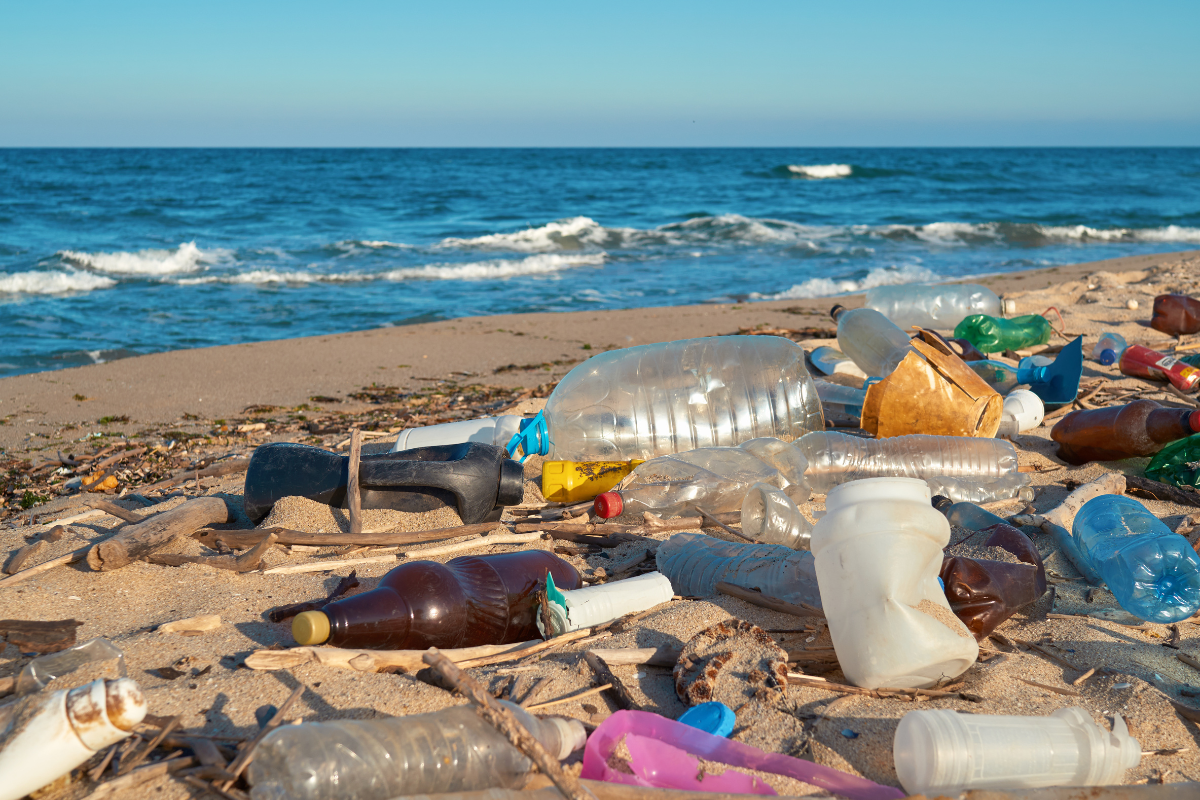
The Geneva talks ended without agreement, highlighting sharp rifts on production caps, leaving no clear picture of when they might resume. | Maryshot/Shutterstock

After nearly two weeks of tense negotiations, the world’s attempt to forge the first legally binding treaty to end plastic pollution collapsed in Geneva, leaving delegates exhausted, civil groups dismayed and the path forward uncertain.

The talks, known as the resumed fifth session of the Intergovernmental Negotiating Committee, or INC-5.2, were meant to deliver a final text for adoption as a global framework to curb plastic waste. Instead, the 10-day meeting ended in chaos early Friday, with negotiators unable to bridge a divide over whether the treaty should contain limits on virgin plastic production.

Luis Vayas Valdivieso, the Ecuadorian diplomat chairing the process, adjourned the session after all-night talks failed to produce consensus. He promised negotiations would resume “at a later date,” but offered no clarity on timing. Delegates responded with tepid applause after an effort many had hoped would mark a breakthrough.

Divide over production

At the heart of the collapse was a dispute that has dogged the talks since 2022: Should the treaty address the full life cycle of plastics, including production, or focus narrowly on recycling, design and waste management.

Nearly 100 countries, including members of the European Union, small island states and much of Africa, argued that without production caps there can be no credible strategy. The Organisation for Economic Co-operation and Development projects that output will triple by 2060 if left unchecked.

Fossil fuel producers, including Gulf states, Russia and the US, rejected binding limits on plastics derived from crude oil, natural gas and coal. They pushed for voluntary measures emphasizing product design and waste handling.

The chair’s compromise draft, which was revised through the final hours, contained numerous bracketed options and no dedicated section on production. Panama called the text “repulsive,” while EU Commissioner Jessika Roswall said a weak agreement “serves no one.”

Frustration at the close

The final plenary reflected the depth of anger. France’s ecology minister Agnès Pannier-Runacher said she was “disappointed and enraged” by what she described as a chaotic process that allowed oil-aligned countries to block progress. Colombia’s delegate Haendel Rodriguez accused “a small number of states” of simply not wanting an agreement.

India and Uruguay confirmed no consensus had been reached, and Cuba called the outcome “a historic missed opportunity,” according to news agency AFP.

The failure echoed last December’s inconclusive round in Busan, South Korea, marking another missed deadline for a treaty originally slated for completion in 2024 under the UN Environment Assembly’s mandate.

United Nations Executive Director Inger Andersen said red lines had at least been clarified and that “significant progress was made.” However, she conceded the outcome was far from what was needed, adding, “plastic pollution will not stop and therefore our work will not stop.”

Civil groups were harsher. David Azoulay of the Center for International Environmental Law, called the talks “an abject failure,” urging a restart rather than a repeat of the same process.

Calls for a reset

The collapse fueled debate over whether consensus rules are workable. Every country must agree for text to advance, giving chemical producers leverage to block provisions they oppose.

South Africa said “the current process will not work.” Switzerland called for a “time-out” and questioned whether plastics could be folded into existing UN conventions. Palau, speaking for small island states, argued the process should continue but with stronger political leadership.

Greenpeace’s Graham Forbes said negotiators “cannot continue to do the same thing and expect a different result,” urging countries to consider voting rather than consensus. The Youth Plastic Action Network, the only NGO permitted to speak before comments were cut off at the request of the US and Kuwait, appealed for recognition of Indigenous and community voices.

What comes next

For now, no date has been set for a resumed session. The UN Environment Assembly mandate requires a treaty to be delivered, but after two failed attempts in nine months, doubts are growing about whether the process can succeed under its current design.

Supporters of a robust deal argue the Geneva collapse must galvanize, not paralyze. African states demanded “a clear way forward.” The EU called the draft text “a step forward” and pledged to keep pushing for a binding agreement. China described the setback as part of a long marathon.


A version of this story appeared in Resource Recycling News on Aug. 19.

Tags: Legislation & EnforcementPET
TweetShare
Scott Snowden

Scott Snowden

Scott has been a reporter for over 25 years, covering a diverse range of subjects from sub-atomic cold fusion physics to scuba diving off the Great Barrier Reef. He's now deeply invested in the world of recycling, green tech and environmental preservation.

Related Posts

Three-bill package aims to revamp Michigan’s bottle return system

byStefanie Valentic
June 9, 2026

Michigan lawmakers introduced a bipartisan three-bill package aimed at strengthening consumer access to bottle deposit refunds and clarifying retailer obligations...

How electronics legislation fared this legislative season

NY sends repairability labeling bill to governor

byPaul Lane
June 8, 2026

New York would become the first state in the US with an electronic device repairability labeling requirement law.

House resolution aims to make recyclability central to product design

NY EPR bill fails to advance after third try

byStefanie Valentic
June 8, 2026

This marks the third session in which the bill cleared the Senate only to stall in the Assembly.

CalRecycle withdraws proposed regs for SB 54

Oceana, NRDC, CAW sue CalRecycle over SB 54 regs

byStefanie Valentic
June 5, 2026

The groups allege that the new regulations have too many loopholes for packaging producers.

In My Opinion: Comparing the nation’s first packaging EPR laws

What Maine’s vape EPR law means for recyclers

byStefanie Valentic
June 4, 2026

Maine is the first state to require vape manufacturers to fund end-of-life management for their products. Vape recycler Michael Duckworth...

Our top stories from June 2021

Colorado advances EV battery EPR law

byStefanie Valentic
June 3, 2026

Colorado, which passed its Battery Stewardship Act in 2025, is now looking to close the gap on large-format, EV batteries.

Load More
Next Post

Plastic bale prices drop again for August

More Posts

House resolution aims to make recyclability central to product design

NY EPR bill fails to advance after third try

June 8, 2026
CalRecycle withdraws proposed regs for SB 54

Oceana, NRDC, CAW sue CalRecycle over SB 54 regs

June 5, 2026
Rainforest

Inside the Circle: What the rainforest can teach us about EPR

June 8, 2026
Circular Materials to supply PlasCred chem recycling plant

Circular Materials to supply PlasCred chem recycling plant

June 4, 2026
Rare look inside the world’s largest plastics recycler

Mass balance matters: Why different rules can lead to different outcomes 

June 5, 2026
Recycling industry addresses Beyond Plastics report

Recycling industry addresses Beyond Plastics report

May 26, 2026
GP Recycling offers on-ramp for smaller recyclers

GP Recycling offers on-ramp for smaller recyclers

June 9, 2026

Three-bill package aims to revamp Michigan’s bottle return system

June 9, 2026
Rare earth processor lands $5.1M in Defense funds

IonicRE partnership supports recycled rare earth supply chain for defense magnets

June 8, 2026
IT asset disposition and electronics recycling: Now and then

$60 billion in AI servers will create an ITAD challenge

June 3, 2026
Load More

About & Publications

About Us

Staff

Archive

Magazine

Work With Us

Advertise
Jobs
Contact
Terms and Privacy

Newsletter

Get the latest recycling news and analysis delivered to your inbox every week. Stay ahead on industry trends, policy updates, and insights from programs, processors, and innovators.

Subscribe

Welcome Back!

Login to your account below

Forgotten Password?

Retrieve your password

Please enter your username or email address to reset your password.

Log In

Add New Playlist

No Result
View All Result
  • The Latest
  • Analysis
  • Recycling
  • E-Scrap
  • Plastics
  • Policy Now
  • Conferences
    • E-Scrap Conference
    • Plastics Recycling Conference
    • Resource Recycling Conference
    • Textiles Recovery Summit
  • Magazine
  • About Us
  • Advertise
  • Archive
  • Jobs
  • Staff
Subscribe
This website uses cookies. By continuing to use this website you are giving consent to cookies being used. Visit our Privacy and Cookie Policy.