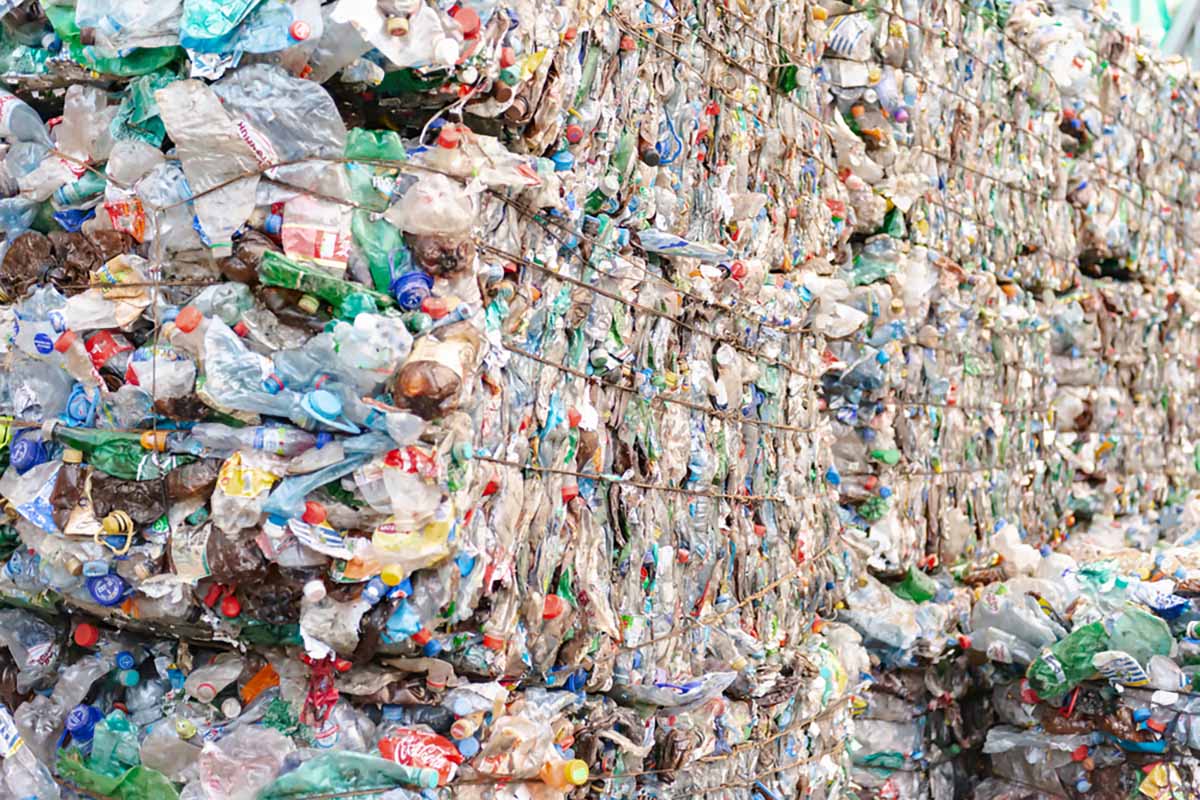




Polyolefin manufacturers from Austria and the United Arab Emirates are partnering with Indonesian waste collection companies and other agencies to establish that nation’s first fully integrated circular waste management ecosystem.
Polyethylene and polypropylene producers Borealis and Borouge will launch a feasibility study as the first step in this initiative.
Funded by the Catalytic Finance Foundation as part of the Subnational Climate Fund, the study will assess the feasibility of establishing a greenfield plastics recycling facility in East Java. The study will also evaluate the nation’s value chain, from sorting plastic waste to producing recycled resin.
The initiative is meant to support Indonesia’s national sustainability goals, which according to the World Economic Forum include:
- A complete end to open dumping by 2029 (disposing of 100% of waste through proper waste management operations)
- A 70% reduction in marine plastic debris
- A doubling of the plastic waste collection to 80%, and a subsequent capacity addition to accommodate recycling 975,000 more tons per year
- The enactment of mandatory producer responsibility laws
Borealis’ involvement is linked to Project STOP, the circular management initiative it co-founded with system change firm Systemiq, according to Eva Pfanzelter, the company’s manager of corporate content management.
“Today, plastic recycling infrastructure in Indonesia is largely focused on PET and on waste streams from industrial and commercial sources, while post‑consumer polyolefin packaging waste remains significantly under‑recycled,” she told Plastics Recycling Update. ”This project specifically addresses that gap by focusing on the recycling of post‑consumer PP and PE packaging waste, including low‑value flexible plastics that have traditionally been difficult to recycle and are often excluded from formal recycling systems.”
Borealis and Borouge are working with local partners, including PT Pelita Mekar Semesta, a plastic recycler and film manufacturer; and PT Reciki Solusi, one of Indonesia’s largest waste management companies.
Pfanzelter said drawing from local experience will help tailor any actions resulting from the study to the local market, while Borealis and Borouge can complement that with their technological capabilities.
“We are confident that our collaboration can revolutionize Indonesia’s waste management and plastics recycling industry, significantly reduce the country’s plastic pollution crisis and extract greater value from used materials,” said Bhima Aries Diyanto, Reciki’s founder and CEO.
The hope is to use the results of the study to enable new applications for recycled polyolefins, Pfanzelter said, including converting them back into feedstock. In tandem, the study would aim to help shift the local mindset toward recycling, encouraging more local participation in waste collection and sorting.
“This engagement is essential to providing the quality feedstock needed to enable a functioning circular economy ecosystem,” she said. “By strengthening local capabilities and demonstrating the production of high‑quality recycled polyolefins at scale, the project aims to help catalyze the long‑term transition to a circular plastics economy.”
Borealis and Borouge are merging and acquiring Canada-based PE producer Nova Chemicals in a deal expected to close by the end of the first quarter. Nova also owns a mechanical recycling plant in Indiana for plastic film, operated by Novolex.
In December, Borealis and Borouge launched the Recleo line of mechanically recycled polyolefins using post-industrial materials and PCR and compounds for applications in durable goods, infrastructure and consumer goods.