


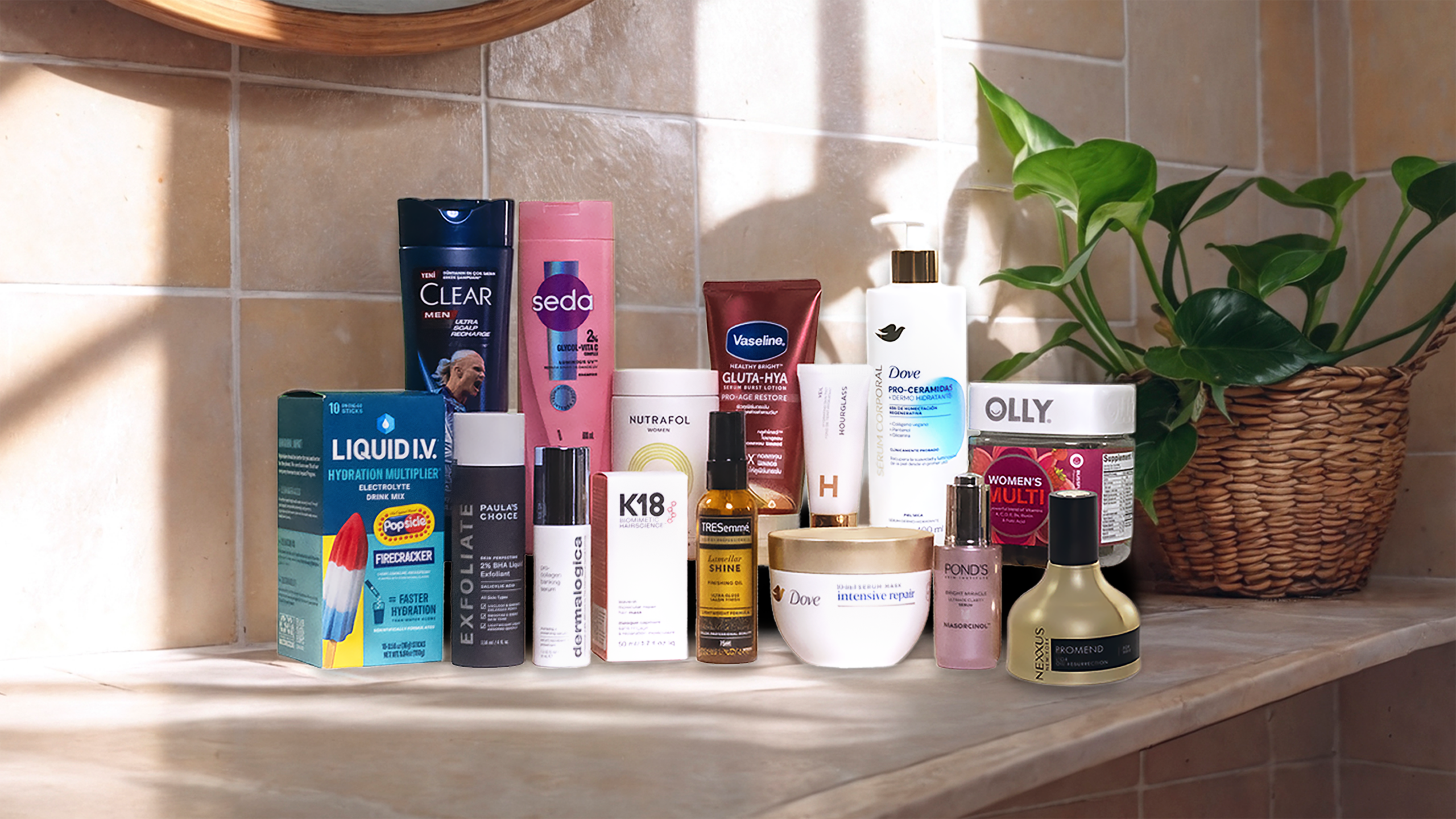
Global brand owner Unilever achieved its goal of 25% PCR use by 2025, according to its annual report, and plans to increase focus on replacing plastics used in flexible packaging with paper-based alternatives.
In addition, the UK-headquartered company reduced its use of virgin plastics, citing expanded PCR adoption as a primary driver, as well as lightweighting and using alternative formats that remove packaging plastics.
“PCR will remain an important lever to deliver our virgin plastic reduction goals,” the company said in the report. Last year Unilever bought more than 152,000 metric tons of recycled plastic for use in packaging.
In 2025, Unilever collected and processed more plastic than it sold. “Although we will continue to deliver this commitment, it will no longer be a formal target,” the report said, noting Unilever’s work to improve collection and recycling access in South Asia, Southeast Asia and Latin America.
By 2025, the company had reduced its virgin plastic use by 29% from the 2019 baseline. In its report covering 2023, Unilever acknowledged it would miss some original 2025 targets and revised pledges accordingly. For example, the company had aimed to reduce virgin plastic use by 50% by 2025, but lowered the goal to 30% by 2026 and 40% by 2028.
The company also has a goal of 100% of its rigid plastic packaging to be reusable, recyclable or compostable by 2030, and by 2035 for flexible plastics. For 2025, 75% of rigids met these criteria, while only 15% of flexibles did. For 2026 the company will focus more on substituting paper materials in flexible packaging, the report said.
“Flexible plastic packaging pollution, including sachets, is an industry-wide challenge and a priority for Unilever,” the report said. The company now aims to launch between 7,400 and 13,700 metric tons of paper-based flexible packaging by 2028, and noted that since 2021 a dedicated R&D team has been developing alternative materials for plastic flexibles.
The company has debuted packaging containing up to 100% recycled plastic, including Wonder Wash laundry detergent in Europe and Hellmann’s mayonnaise squeeze bottles in Brazil.
In the report, the company pointed out that it had not applied “ecological thresholds and allocations of impacts to Unilever” when setting targets. “Making progress on our plastics targets is relevant to EPR schemes and plastic taxes or bans; however, we do not set specific targets to manage these.”
New this year is a plastics-related target in the Sustainability Progress Index (SPI) component of the 2026-2028 Performance Share Plan (PSP), which determines leadership bonuses. In the 2026-2028 PSP targets, the SPI has a weight of 15% and includes existing metrics for climate and “nature” (land, forests and oceans) and adds plastic and “livelihoods,” which addresses the pursuit of a living wage throughout its supply chain.
Despite limited progress on a global plastics treaty, the company supports development of harmonized regulatory frameworks “across markets that drive investment and innovation, including extended producer responsibility (EPR) programs that suit local dynamics.”
The company continued, “Voluntary industry-wide action also remains a key lever. This year, we signed the Ellen MacArthur Foundation’s Global Commitment 2030, which encourages cross-industry collaboration to accelerate progress.”