






This article appeared in the January 2024 issue of Resource Recycling. Subscribe today for access to all print content.
In the ever-evolving landscape of environmental sustainability, plastic recycling remains a cornerstone of our efforts to create a more circular economy. As we head into 2024, we stand at a pivotal moment, where the actions we take today can significantly shape the future of our planet.
I’m proud to serve as the president of the Association of Plastic Recyclers (APR). APR is the voice of plastic recyclers, with members working at every link of the recycling chain—from initial design to eventual remanufacturing.
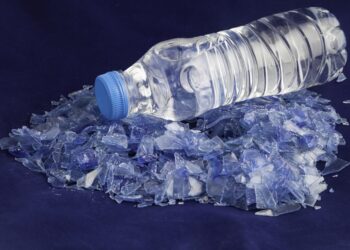
As we look toward 2024, it’s useful to take stock of where we are today. The most important thing to know is that plastic recycling works. When plastics are collected, they are recycled. Last year, APR recycler members processed over 5 billion pounds of post-consumer plastics. That’s 5 billion pounds of plastic that did not end up in the ocean or in a landfill.
Here are some more useful numbers: The majority—approximately 80%—of rigid consumer plastic packaging is made of three types of resins: PET, HDPE and PP plastic. Over 70% of the PET and HDPE containers that people put into their curbside bins are sorted, processed and effectively recycled today. But, of course, not all of the consumer plastic out there gets put into recycling bins. As a result, the U.S. recycles PET, HDPE and PP plastics at a rate of 19.8%.
So recycling is working, but it could also be working better. APR members have the capacity today to more than double the recycling rate for PET, HDPE and PP if they could just get more supply of plastic packaging to process.
Recycling matters, and not only to reduce waste and protect our environment. Recycling is also an important economic engine for U.S. manufacturing. A strong recycling infrastructure is pivotal for building clean, resilient domestic supply chains.
As we look toward the next year, four significant trends are poised to influence and drive the future of plastic recycling.
1. Inconsistent domestic demand for recycled content
Many U.S. companies have the same New Year’s resolution: to buy and use more recycled content in their products. American companies have already committed to buying three times more recycled PET by 2025 than is currently available in the domestic market. But, just as Americans sometimes waver on their January commitments to hit the gym or eat more veggies, U.S. companies sometimes back away from their recycled content commitments. Too often, brand companies cancel contracts for recycled material in favor of less expensive virgin resin or imported material. Addressing demand fluctuations would necessitate the creation of mandatory domestic recycled content minimums and long-term contracts for domestic recycled content supply.
2. Impact of high production of virgin plastic on recycling
Petrochemical companies are pumping out virgin plastic at record rates. The continued high production of virgin plastics directly impacts the recycling industry, as the proliferation of new, inexpensive plastics often undermines the market for recycled materials. Off-spec and wide-spec resin, byproducts of massive virgin production, are often sold even further below market rates, amplifying the cost differential with recycled material. When brand companies are making packaging decisions exclusively on price, it can be nearly impossible for recycled content to compete. Addressing the economic imbalance would require decoupling the value of recycled content from its price and redefining it as necessary and important with mandatory domestic content minimums.
3. Importance of verification and certification
When we think about content requirements, it will be increasingly important to also focus on verification and certification within the recycling process. In a circular economy, manufacturers are their own suppliers. Because we want brands to make more content from domestically sourced recycled material at the end of the chain, APR works to strengthen every link of the recycling chain.
The APR Design Guide offers essential guidelines for packaging designers to ensure their products are designed to be compatible with current recycling infrastructure—Circular by Design. The APR Design Guide is the gold standard, serving as the design platform for the U.S. Plastics PACT and often referenced across the globe in alignment with sister guides. When products are made for recycling, there is a significant reduction in contamination and overall improvement in the efficacy of recycling.
Similarly, the APR Sortation Potential Protocol aims to enhance the sorting efficiency of recyclable materials, a crucial step in the recycling process. Improved sortation methods can significantly increase the volume and quality of recyclables.
Finally, the APR PCR Certification Program guarantees buyers that they are truly getting post-consumer recycled material. This certification upholds the integrity of the recycled content market by maintaining transparency and trust in recycled plastics.
Establishing and adhering to the highest standardized protocols is critical for efficiency and credibility in recycling efforts.
4. Implications of changes on a local and global scale
Finally, recycling never operates in a vacuum. The industry is experiencing the pressures posed by local and global action to reduce plastic waste. One example is the U.N. Global Plastic Pollution Treaty, which aims to negotiate a global agreement to end plastic pollution. APR is an active stakeholder in both the U.N. Environment Programme and with the U.S. delegation as the group works to address important topics, including virgin plastic production, microplastics, chemicals of concern, expanding recycling, cleaning up fishing debris and much more. At the global level and here at home, APR is actively advocating for proven policies, like custom, locally appropriate extended producer responsibility (EPR) programs, and tailored, meaningful investments in recycling infrastructure.
As we move into the next year, these trends present a mix of challenges and opportunities for the plastic recycling industry. Recycling works—and it matters. Not only because it is one of the most visible opportunities to address problems caused by plastic packaging waste but also because it offers benefits, including strengthening the domestic supply chain, reducing energy consumption, lowering greenhouse gas emissions and replacing the use of virgin material derived from petrochemicals and fossil fuels.
APR remains committed to navigating these waters, advocating for a sustainable and effective recycling system. Through collaboration, innovation and policy advocacy, we are determined to make significant strides toward a more sustainable future for all.
Steve Alexander is president of the Association of Plastic Recyclers.
This article appeared in the January 2024 issue of Resource Recycling. Subscribe today for access to all print content.