





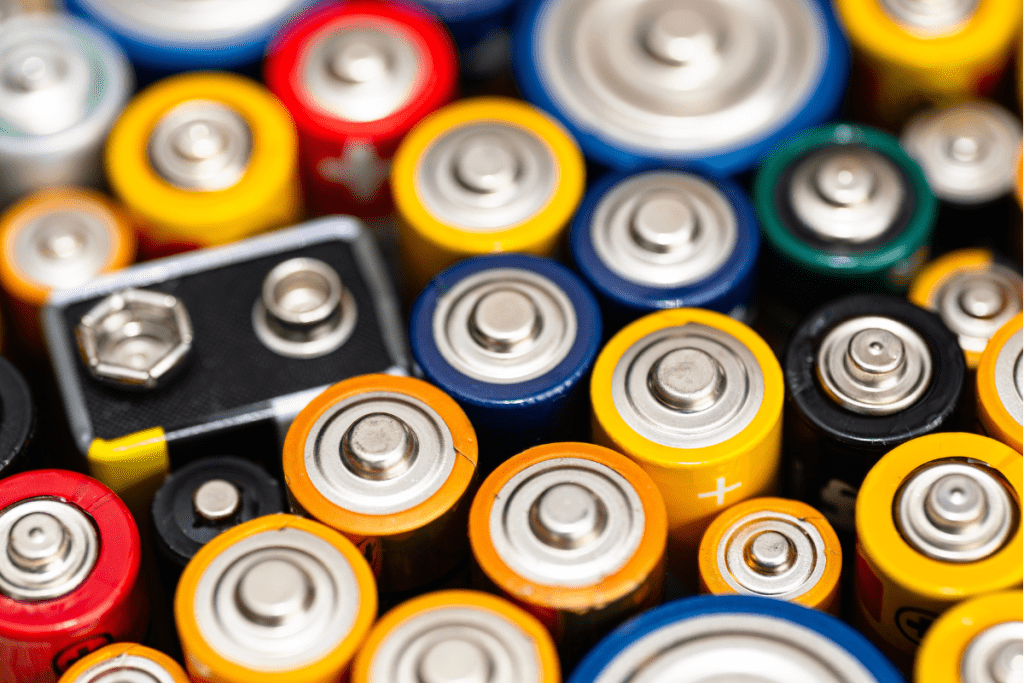
A new report finds Michigan residents are mismanaging the batteries they use and dispose of – but often not knowingly – and several steps can be taken to remedy those shortcomings.
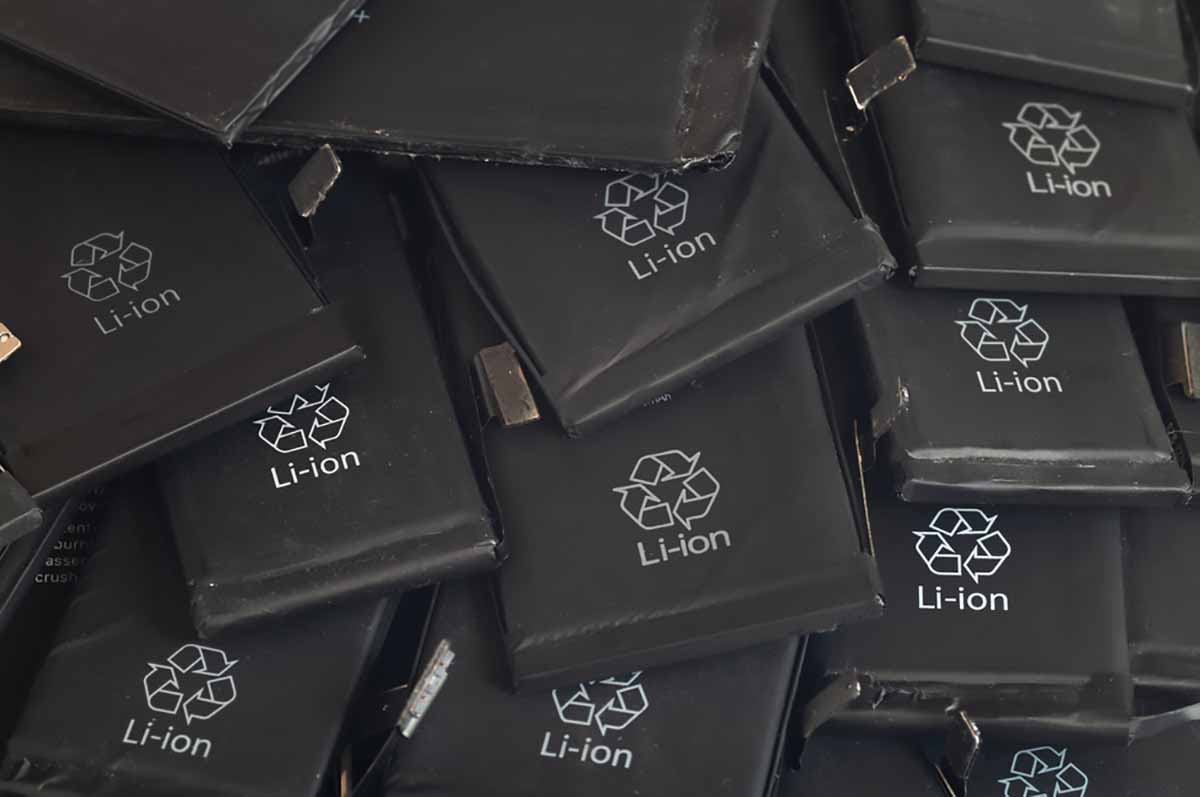
The “Michigan 2025 Battery Gap Analysis,” from Resource Recycling Systems (RRS) of Ann Arbor, found that residents statewide throw out about 10,700 tons of batteries that end up in landfills each year. Many people put used batteries in the trash or curbside recycling containers because they don’t know a better way to dispose of them, the report said.
The report, commissioned by the Michigan Department of Environment, Great Lakes and Energy, found that only 1,250 tons of batteries in the state are properly recycled each year; another 450 tons are stored in people’s homes, in 48% of cases because people simply don’t know what else to do with them.
“Most residents face barriers to battery recycling, including confusion about proper recycling, limited convenient options, lack of clear information and uncertainty,” the report said.
More government intervention could help curb battery disposal in landfills, the report found. Local governments, for one, could provide more complete and consistent recycling information, as well as bolster the availability of drop-off sites. Many communities rely on voluntary retail programs that lack stability, the authors found, with 95% of residents facing at least one recycling barrier.
At the state level, legislators could enact a statewide consumer battery program and an extended producer responsibility (EPR) law similar to what’s seen in states like Vermont and California. In Vermont, for one example, an expanded law enacted this past January requires producers to fund recycling and collection efforts, and forces battery sellers to both ensure their products are compliant with state laws and collect used batteries they sell for recycling.
“Following these models could streamline compliance, expand access and provide a pathway for Michigan,” the report said.
Among other areas for improvement, the report called for:
* A statewide education and outreach initiative, involving all stakeholders, to keep residents informed on what can be recycled and how to do it
* Guaranteed year-round drop-off sites in urban and rural areas
* Expanded recovery and processing capacity through improvements to infrastructure
* An advisory group to offer guidance on battery recovery solutions
The analysis focused on common household battery types as opposed to automotive and electric vehicle batteries.