





Resource Recycling
  • The Latest
  • Analysis
    • All
    • Certification Scorecard
    • Industry Announcements
    • Opinion
    Top stories from March 2025

    3 factors force e-scrap processing onshore

    Data center boom sets up ITAD growth

    Certification Scorecard — Week of June 15, 2026

    Tzvika Shahaf of Blancco

    Blancco names new SVP of product strategy

    IT security driving plans, reshaping budgets

    Study cuts projected AI server e-waste by 90%

    A call to action: End markets and EPR

    A call to action: End markets and EPR

  • Conferences
    • Resource Recycling Conference
    • Plastics Recycling Conference
    • E-Scrap: The Longevity Conference
    • Textiles Recovery Summit
  • Publications
    • E-Scrap News
    • Plastics Recycling Update
    • Policy Now
    • Resource Recycling
    • Other Topics
      • All Topics
      • Brand Owners
      • Critical Minerals
      • Glass
      • Grant Watch / RFPs
      • Markets
      • Organics
      • Packaging
      • Research
      • Technology
      • Textiles
Subscribe
No Result
View All Result
Resource Recycling
  • The Latest
  • Analysis
    • All
    • Certification Scorecard
    • Industry Announcements
    • Opinion
    Top stories from March 2025

    3 factors force e-scrap processing onshore

    Data center boom sets up ITAD growth

    Certification Scorecard — Week of June 15, 2026

    Tzvika Shahaf of Blancco

    Blancco names new SVP of product strategy

    IT security driving plans, reshaping budgets

    Study cuts projected AI server e-waste by 90%

    A call to action: End markets and EPR

    A call to action: End markets and EPR

  • Conferences
    • Resource Recycling Conference
    • Plastics Recycling Conference
    • E-Scrap: The Longevity Conference
    • Textiles Recovery Summit
  • Publications
    • E-Scrap News
    • Plastics Recycling Update
    • Policy Now
    • Resource Recycling
    • Other Topics
      • All Topics
      • Brand Owners
      • Critical Minerals
      • Glass
      • Grant Watch / RFPs
      • Markets
      • Organics
      • Packaging
      • Research
      • Technology
      • Textiles
Subscribe
No Result
View All Result
Resource Recycling
No Result
View All Result
Home Plastics

Studies cover food-grade recycled PP, airborne plastics

byJared Paben
October 3, 2023
in Plastics
Studies cover food-grade recycled PP, airborne plastics
Researchers in Japan found microplastics in clouds at the summit of Mount Fuji and other nearby mountains. | Martinho Smart/Shutterstock

One academic study from Iowa explored using residential PP scrap at different levels in new food bottles, and another in Japan discovered nine different polymer types as microplastics in clouds. 

Promise for post-consumer PP in food bottles

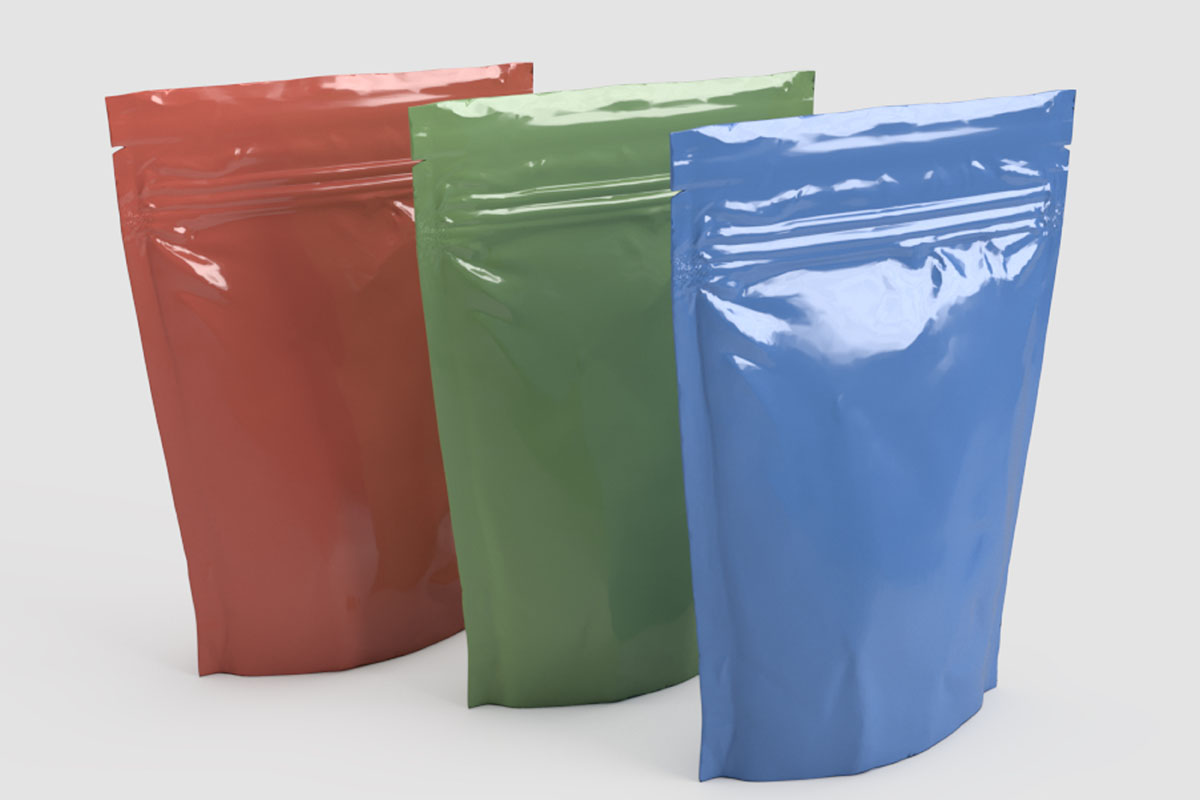
An academic study explored how different recycled content levels of PP from materials recovery facilities (MRFs) affect the properties of new extrusion blow-molded food packaging. 

The study, which overall found promise in recycling residential PP containers into new food packaging, was published in August in the journal “Application of Polymers in Food Sciences.” It was produced by scientists at Iowa State University, and the results were promoted by the Institute for the Advancement of Food and Nutrition Sciences, which helped fund the research. 

The researchers recycled PP from MRFs into extrusion blow-molded bottle food packaging at the following levels of recycled content: 25%, 50%, 75% and 100%. They came to several conclusions, including that the containers had an increased crystallization temperature when PCR was present but there was no practical difference in crystallinity as a function of PCR concentrations. 

Additionally, the scientists found the oxygen and water-vapor barrier properties remained relatively consistent in the blends, except for the 100% PCR bottle. They also found that including the post-consumer PP increased the stiffness of the bottles containing virgin PP, although the measured yield stress was “significantly similar.”

Lastly, they found a wider range of non-intentionally added substances was found in the PCR material compared with the virgin plastic, owing to plastic and food additives and degradation byproducts. 

“The results of this study provide critical information for stakeholders making decisions to use MRF recovered in food packaging applications,” the study concludes. “Moreover, this study demonstrates the viability of a significant source of PP and its notable long-term impacts, increasing profits by using PCR materials.”

The researchers noted, however, that they used only one sample of PP scrap from one bale from one MRF. They also cautioned that more work should be done to study MRF PP to determine levels of PFAS and phthalates in the plastic to address concerns about toxicity. 

Microplastics in the clouds

Japanese researchers took samples of cloud water from the top of Mount Fuji and surrounding mountains. When they tested the samples, they found they contained microplastics. 

According to a press release from Waseda University, where the lead researcher is a professor, the study found that airborne microplastics play a role in cloud formation. Using imaging techniques such as attenuated total reflection imaging and micro-Fourier transform infrared spectroscopy, the scientists identified nine different polymer types and one type of rubber. 

In the release, Hiroshi Okochi, a professor at Waseda University and the lead researcher, noted that airborne microplastics degrade faster in the upper atmosphere than they do on the ground because they’re exposed to strong ultraviolet radiation, and that degradation releases greenhouse gases. 

The hydrophilic microplastics also act as condensation nuclei for cloud ice and water, affecting cloud formation and the climate. 

“Microplastics in the free troposphere are transported and contribute to global pollution,” Okochi stated. “If the issue of ‘plastic air pollution’ is not addressed proactively, climate change and ecological risks may become a reality, causing irreversible and serious environmental damage in the future.” 

The study was published by the journal Environmental Chemistry Letters.

Tags: PPResearch
TweetShare
Jared Paben

Jared Paben

Related Posts

Recycling council emphasizes importance of supply

Sorted: Why recycling isn’t a ‘scam’

byBrian Clark Howard
June 15, 2026

The sector has taken a beating in the press and in public perception, but recycling has many benefits.

Chemical recycling roundup: New plant, partnerships

Polystyrene’s circular future is already taking shape

byJustin Riney, Polystyrene Recycling Alliance
May 29, 2026

Justin Riney of the Polystyrene Recycling Alliance explores a study conducted with the Resource Recycling Systems consultancy.

What a report on Starbucks cups reveals about recycling

What a report on Starbucks cups reveals about recycling

byAntoinette Smith
May 26, 2026

While anti-plastics group Beyond Plastics cast doubt on Starbucks' recyclability claims and left many questions unanswered, its report also provides...

Recycling industry addresses Beyond Plastics report

Recycling industry addresses Beyond Plastics report

byAntoinette Smith
May 26, 2026

Stakeholders are accustomed to questions and concerns about whether "recycling is real," but they took particular issue with several aspects...

NJ e-scrap legislation

NJ qualifies PureCycle PP for minimum PCR law

byAntoinette Smith
May 14, 2026

The one-year conditional approval allows resin processed via the company's dissolution method to count toward the state's minimum recycled content...

Extruder pushes out natural HDPE pellets at KW Plastics in Troy, Alabama.

Rare look inside the world’s largest plastics recycler

byBrian Clark Howard
May 13, 2026

KW Plastics in Troy, Alabama is a leading recycler of PP and HDPE—here’s a glimpse behind the gates.

Load More
Next Post

Brand owner settles suit over PE recycling bags

More Posts

IT security driving plans, reshaping budgets

Study cuts projected AI server e-waste by 90%

June 16, 2026
Revised CA budget includes $200m for recycling

CAA files California program plan for SB 54

June 15, 2026
Group updates on UBC-sorting robot’s success

Plastic bale pricing falls while paper, UBCs firm

June 15, 2026
Recycling council emphasizes importance of supply

Sorted: Why recycling isn’t a ‘scam’

June 15, 2026
Rare look inside the world’s largest plastics recycler

TRP launches fund to boost recycling

June 12, 2026
CAA seeks industry input on EPR fees

CAA seeks industry input on EPR fees

June 16, 2026
batteries

WM adds batteries to recycling watch list

June 16, 2026
A call to action: End markets and EPR

A call to action: End markets and EPR

June 16, 2026
ICIS monthly recycled plastics pulse: Most Oct resin prices stabilize for fall

CA advances PET payments bill, posts DRS recovery rates

June 18, 2026
Australia battery recycling sector could reach A$6.9bn by 2050

Colorado and California bills take aim at battery recycling gaps

June 12, 2026
Load More

About & Publications

About Us

Staff

Archive

Magazine

Work With Us

Advertise
Jobs
Contact
Terms and Privacy

Newsletter

Get the latest recycling news and analysis delivered to your inbox every week. Stay ahead on industry trends, policy updates, and insights from programs, processors, and innovators.

Subscribe

Welcome Back!

Login to your account below

Forgotten Password?

Retrieve your password

Please enter your username or email address to reset your password.

Log In

Add New Playlist

No Result
View All Result
  • The Latest
  • Analysis
  • Recycling
  • E-Scrap
  • Plastics
  • Policy Now
  • Conferences
    • E-Scrap Conference
    • Plastics Recycling Conference
    • Resource Recycling Conference
    • Textiles Recovery Summit
  • Magazine
  • About Us
  • Advertise
  • Archive
  • Jobs
  • Staff
Subscribe
This website uses cookies. By continuing to use this website you are giving consent to cookies being used. Visit our Privacy and Cookie Policy.