




Resource Recycling
  • The Latest
  • Analysis
    • All
    • Certification Scorecard
    • Industry Announcements
    • Opinion
    Apple Watch on product box.

    Wearables are coming and ITAD isn’t ready

    Certification Scorecard — Week of April 13, 2026

    EV Battery Pack - Sergii Chernov-Shutterstock

    Redwood, Rivian deal fuels US infrastructure plans

    Bloom ESG and e-Stewards roll out critical metals metric

    Colorado regulators suggest mid-range EPR scenario

    Why collaboration on plastic waste still matters

    Battery recycler Ascend Elements files for bankruptcy

    Battery recycler Ascend Elements files for bankruptcy

    EPR fees are a market signal. Here’s what they’re telling you.

    EPR fees are a market signal. Here’s what they’re telling you.

    Wolframite ore, the primary ore of tungsten from Altai, Russia

    Tungsten scrap export controls draw industry attention

    Certification Scorecard — Week of April 6, 2026

  • Conferences
  • Publications
    • E-Scrap News
    • Plastics Recycling Update
    • Policy Now
    • Resource Recycling
    • Other Topics
      • Brand Owners
      • Grant Watch
      • Markets
      • Organics
      • Packaging
      • Research
      • Technology
      • Textiles
      • All Topics
Subscribe
No Result
View All Result
Resource Recycling
  • The Latest
  • Analysis
    • All
    • Certification Scorecard
    • Industry Announcements
    • Opinion
    Apple Watch on product box.

    Wearables are coming and ITAD isn’t ready

    Certification Scorecard — Week of April 13, 2026

    EV Battery Pack - Sergii Chernov-Shutterstock

    Redwood, Rivian deal fuels US infrastructure plans

    Bloom ESG and e-Stewards roll out critical metals metric

    Colorado regulators suggest mid-range EPR scenario

    Why collaboration on plastic waste still matters

    Battery recycler Ascend Elements files for bankruptcy

    Battery recycler Ascend Elements files for bankruptcy

    EPR fees are a market signal. Here’s what they’re telling you.

    EPR fees are a market signal. Here’s what they’re telling you.

    Wolframite ore, the primary ore of tungsten from Altai, Russia

    Tungsten scrap export controls draw industry attention

    Certification Scorecard — Week of April 6, 2026

  • Conferences
  • Publications
    • E-Scrap News
    • Plastics Recycling Update
    • Policy Now
    • Resource Recycling
    • Other Topics
      • Brand Owners
      • Grant Watch
      • Markets
      • Organics
      • Packaging
      • Research
      • Technology
      • Textiles
      • All Topics
Subscribe
No Result
View All Result
Resource Recycling
No Result
View All Result
Home Recycling

Contamination in one region’s commercial stream is 14%

Colin StaubbyColin Staub
June 2, 2020
in Recycling
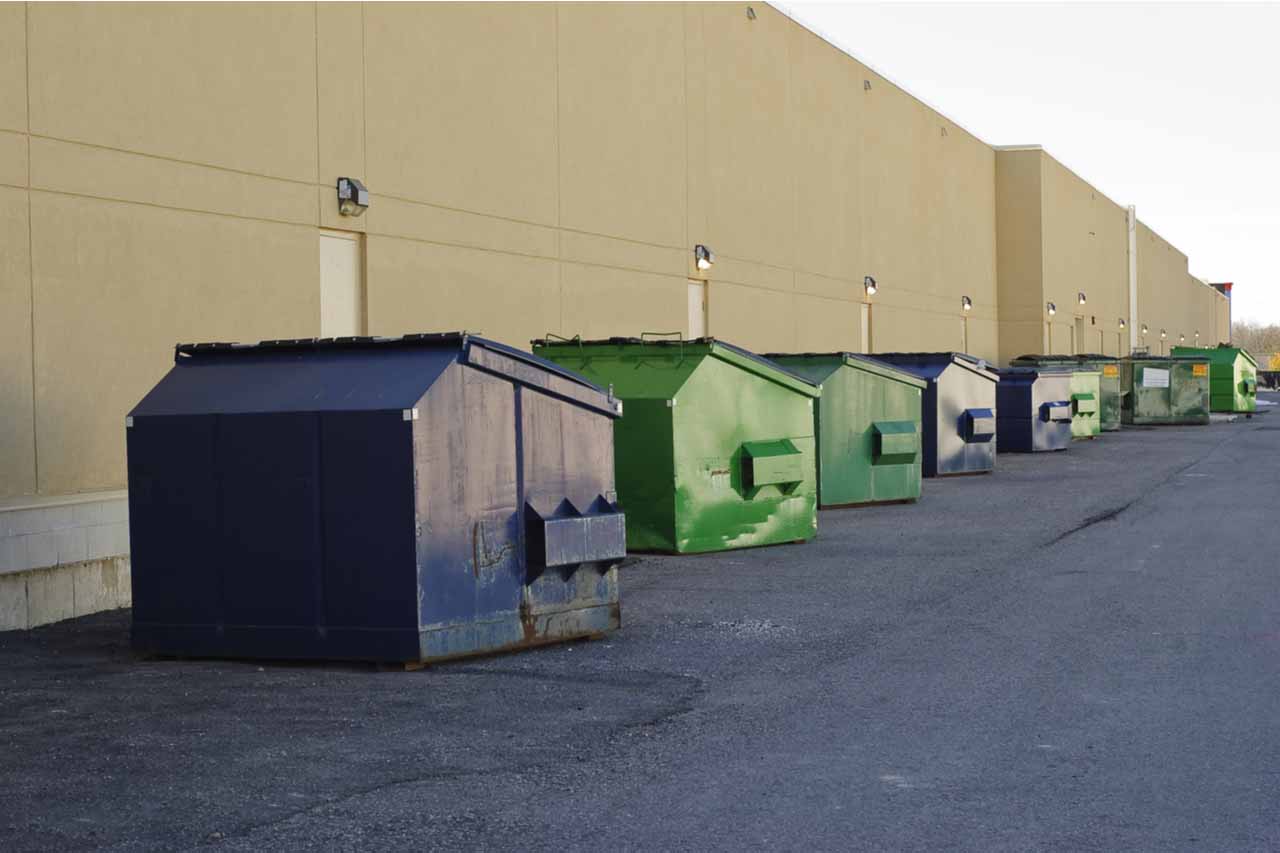
Researchers collected and sorted through more than 38,000 pounds of mixed recyclables from 173 sample loads. | Rubens Alarcon/Shutterstock

Researchers have quantified contamination in the business recycling stream in the Portland, Ore. metropolitan area, providing data that can be used to make operational or outreach decisions.

Metro, the regional governing body that covers jurisdictions in the Portland area, in May published a composition study of the commercial mixed recyclables stream.

Since 2008, more than 59,000 businesses in the Portland metropolitan area have been required by law to separate common recyclables. In recent years, Metro has examined contamination in the single-family and multi-family sectors, but this is the first project that evaluated the composition of the material coming from businesses.

The study’s results will be used by local governments to guide their efforts in decreasing contamination. Metro framed the study in the context of declining export markets for recyclables in part due to high contamination, forcing the need for a cleaner product. “The study is intended to help the region generate the best and most marketable recyclable materials through its collection program,” Metro wrote.

Researchers collected and sorted through more than 38,000 pounds of mixed recyclables from 173 sample loads.

The study found an average contamination rate of 14%. Sample loads averaged 221 pounds, and contamination in these loads averaged 30 pounds. Those findings place the business stream between single-family and multi-family in terms of contamination rates in the region. Single-family recycling has about 9% contamination and multi-family has 21%, according to Metro.

However, contamination varied across the jurisdictions in the metro area, and it varied significantly between different samples. For instance, the eight most-contaminated samples in the study had contamination rates between 39% and 97%, according to the report, and these heavily impacted the average. Without these loads, the contamination rate for the entire region would have dropped from 14% to 11%.

These outliers “suggested there might be operational issues that, if addressed, could have a positive impact on material quality,” according to the report.

Material makeup

The 14% average business stream contamination was made up of 4 percentage points “other” materials, 3 percentage points non-acceptable paper, 2 percentage points non-acceptable plastic, 2 percentage points plastic film and shopping bags, 1 percentage point food scraps and yard debris, 1 percentage point fabrics and shoes, and 1 percentage point glass.

Although the weight of plastic contaminants is low, making up just 4% of the entire stream, they have an outsized negative impact on the stream as a whole.

“It is common for shopping bags and film plastic to jam sorting machinery at recycling facilities, thereby increasing the cost of processing recyclables for shipment to end-markets,” the study notes. “Plastics, especially film, tend to be much lighter compared to other materials in the recycling bin such as cardboard, so even a small weight percentage of film contamination can create a large negative impact on the quality of the material.”

Beyond contamination, the study examined the makeup of acceptable materials in the business recycling stream. Out of the 86% of the stream that is accepted material, OCC made up 61.9 percentage points of the weight, mixed paper was 19.5 percentage points, plastics were 2.6 percentage points and metals were 2 percentage points.

In a separate research project, Metro is currently working on a commercial food scraps contamination study, looking at weight and volume of contaminants in the organics stream.

 

Tags: ContaminationResearch
TweetShare
Colin Staub

Colin Staub

Colin Staub was a reporter and associate editor at Resource Recycling until August 2025.

Related Posts

Amazon, DOE partner on critical materials recovery

byScott Snowden
April 13, 2026

DOE and Amazon will study recovery of graphite from textiles and gallium from IT hardware, aiming to strengthen US supply...

Rice researchers use lemon juice to boost battery recycling

byScott Snowden
April 9, 2026

Rice researchers reported a battery recycling process that uses plasma and mild solvents to recover most metals from black mass...

Packaging sector sees shift from AI pilots to wider use

byScott Snowden
April 1, 2026

AI adoption is expanding across packaging operations as costs fall and use cases widen, though concerns around accountability, ROI and...

Report pegs fire losses at $2.5b in US and Canada recycling industry

byScott Snowden
March 27, 2026

A new fire report estimates $2.5b in damage across US and Canadian recycling facilities in 2025, with lithium-ion batteries still...

Australia battery recycling sector could reach A$6.9bn by 2050

Australia battery recycling sector could reach A$6.9bn by 2050

byScott Snowden
March 20, 2026

The country's battery recycling industry already contributes A$2.1 billion today, according to a new industry-funded report that calls for extended...

APR honors recycling leaders during PRC

APR honors recycling leaders during PRC

byScott Snowden
March 19, 2026

Conference awards honored researchers, companies and policymakers for advances in plastics recycling as speakers highlighted technical progress despite difficult market...

Load More
Next Post

Contamination in one region's commercial stream is 14%

Leading the Charge in Safe Battery Recycling
Sponsored

Leading the Charge in Safe Battery Recycling

byThe Battery Network
April 13, 2026

We’re connecting people, brands, and communities through one nationwide network built to make battery recycling safer, simpler, and more accessible...

Read moreDetails

More Posts

SWANA reports increase in fatalities in 2022

Safety in focus: Reducing injury rates with technology

March 18, 2026

Nova launches recycled PE grades from Indiana plant

March 3, 2026
PureCycle sees easing headwinds to R-PP adoption

PureCycle sees easing headwinds to R-PP adoption

March 3, 2026

Royal Mint, Procurri partner for ITAD metals recovery

February 5, 2026
Film bale prices soften; paper and cans stable

Film bale prices soften; paper and cans stable

December 16, 2025

Study: Recycling accounts for tiny share of plastic’s total GHGs

December 6, 2022

Nine Dragons takes downtime at two US mills

April 10, 2023
Flexibles players push for collaboration, balance

Flexibles players push for collaboration, balance

March 31, 2026

Quebec PRO reflects on first year of packaging EPR

March 30, 2026
ag plastics field

Ag industry holds potential for recycling feedstock

March 24, 2026
Load More

About & Publications

About Us

Staff

Archive

Magazine

Work With Us

Advertise
Jobs
Contact
Terms and Privacy

Newsletter

Get the latest recycling news and analysis delivered to your inbox every week. Stay ahead on industry trends, policy updates, and insights from programs, processors, and innovators.

Subscribe

Welcome Back!

Login to your account below

Forgotten Password?

Retrieve your password

Please enter your username or email address to reset your password.

Log In

Add New Playlist

No Result
View All Result
  • The Latest
  • Analysis
  • Recycling
  • E-Scrap
  • Plastics
  • Policy Now
  • Conferences
    • E-Scrap Conference
    • Plastics Recycling Conference
    • Resource Recycling Conference
    • Textiles Recovery Summit
  • Magazine
  • About Us
  • Advertise
  • Archive
  • Jobs
  • Staff
Subscribe
This website uses cookies. By continuing to use this website you are giving consent to cookies being used. Visit our Privacy and Cookie Policy.