





Oregon Governor Tina Kotek signed HB 4144 into law on April 7, setting into motion the mechanics for an extended producer responsibility (EPR) program covering batteries in the state.
The legislation bans disposal of removable lithium-ion batteries in mixed municipal solid waste (MSW) and prohibits producers from selling, offering for sale or distributing batteries or battery-containing products in or into Oregon unless they enroll in a producer responsibility organization (PRO) that successfully implements an EPR framework.
The bill cleared the Senate in a 20–8 vote on March 5 to address the growing threat of battery fires to state waste and recycling systems, requiring producers to fund and operate a statewide collection and recycling program.
Representative Emerson Levy highlighted the urgency behind the measure.
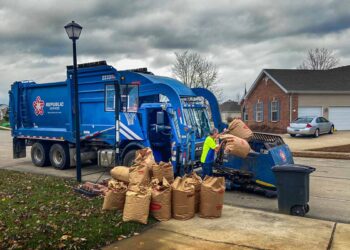
“These batteries are ending up in garbage trucks, transfer stations and landfills, sparking fires that not only endanger workers and the environment, but also cost taxpayers at least $10,000 per incident,” she said. “In Deschutes County alone, we saw 54 fires last year linked to battery disposal.”
Under the law, a network of collection sites must be distributed to ensure 95% of Oregon residents are within 15 miles of a drop-off location. The measure also sets granular city-level requirements, including at least one site per county, additional sites based on population thresholds and up to one extra site per 50,000 residents in cities over 200,000.
The Oregon Department of Environmental Quality (DEQ) will oversee implementation, adopt rules and ensure compliance through a Battery Producer Responsibility Fund. Producers that fail to join a PRO face civil penalties of up to $10,000 per day, and PROs are granted immunity from state and federal antitrust laws for their collaboration under the program.
Battery PROs must submit an implementation plan to DEQ by Sept. 1, 2028, with programs required to be operational by July 1, 2029.
Oregon joins a growing number of states with battery EPR programs on the books, including California, Washington, Illinois, Vermont, Connecticut, Nebraska and Washington DC.