




Resource Recycling
  • The Latest
  • Analysis
    • All
    • Certification Scorecard
    • Industry Announcements
    • Opinion
    Apple Watch on product box.

    Wearables are coming and ITAD isn’t ready

    Certification Scorecard — Week of April 13, 2026

    EV Battery Pack - Sergii Chernov-Shutterstock

    Redwood, Rivian deal fuels US infrastructure plans

    Bloom ESG and e-Stewards roll out critical metals metric

    Colorado regulators suggest mid-range EPR scenario

    Why collaboration on plastic waste still matters

    Battery recycler Ascend Elements files for bankruptcy

    Battery recycler Ascend Elements files for bankruptcy

    EPR fees are a market signal. Here’s what they’re telling you.

    EPR fees are a market signal. Here’s what they’re telling you.

    Wolframite ore, the primary ore of tungsten from Altai, Russia

    Tungsten scrap export controls draw industry attention

    Certification Scorecard — Week of April 6, 2026

  • Conferences
  • Publications

    Other Topics

    Textiles
    Organics
    Packaging
    Glass
    Brand Owners

    Metals
    Technology
    Research
    Markets
    Grant Watch

    All Topics

Subscribe
No Result
View All Result
Resource Recycling
  • The Latest
  • Analysis
    • All
    • Certification Scorecard
    • Industry Announcements
    • Opinion
    Apple Watch on product box.

    Wearables are coming and ITAD isn’t ready

    Certification Scorecard — Week of April 13, 2026

    EV Battery Pack - Sergii Chernov-Shutterstock

    Redwood, Rivian deal fuels US infrastructure plans

    Bloom ESG and e-Stewards roll out critical metals metric

    Colorado regulators suggest mid-range EPR scenario

    Why collaboration on plastic waste still matters

    Battery recycler Ascend Elements files for bankruptcy

    Battery recycler Ascend Elements files for bankruptcy

    EPR fees are a market signal. Here’s what they’re telling you.

    EPR fees are a market signal. Here’s what they’re telling you.

    Wolframite ore, the primary ore of tungsten from Altai, Russia

    Tungsten scrap export controls draw industry attention

    Certification Scorecard — Week of April 6, 2026

  • Conferences
  • Publications

    Other Topics

    Textiles
    Organics
    Packaging
    Glass
    Brand Owners

    Metals
    Technology
    Research
    Markets
    Grant Watch

    All Topics

Subscribe
No Result
View All Result
Resource Recycling
No Result
View All Result
Home E-Scrap

Lead battery recycling market set for steady growth

byScott Snowden
April 14, 2026
in E-Scrap

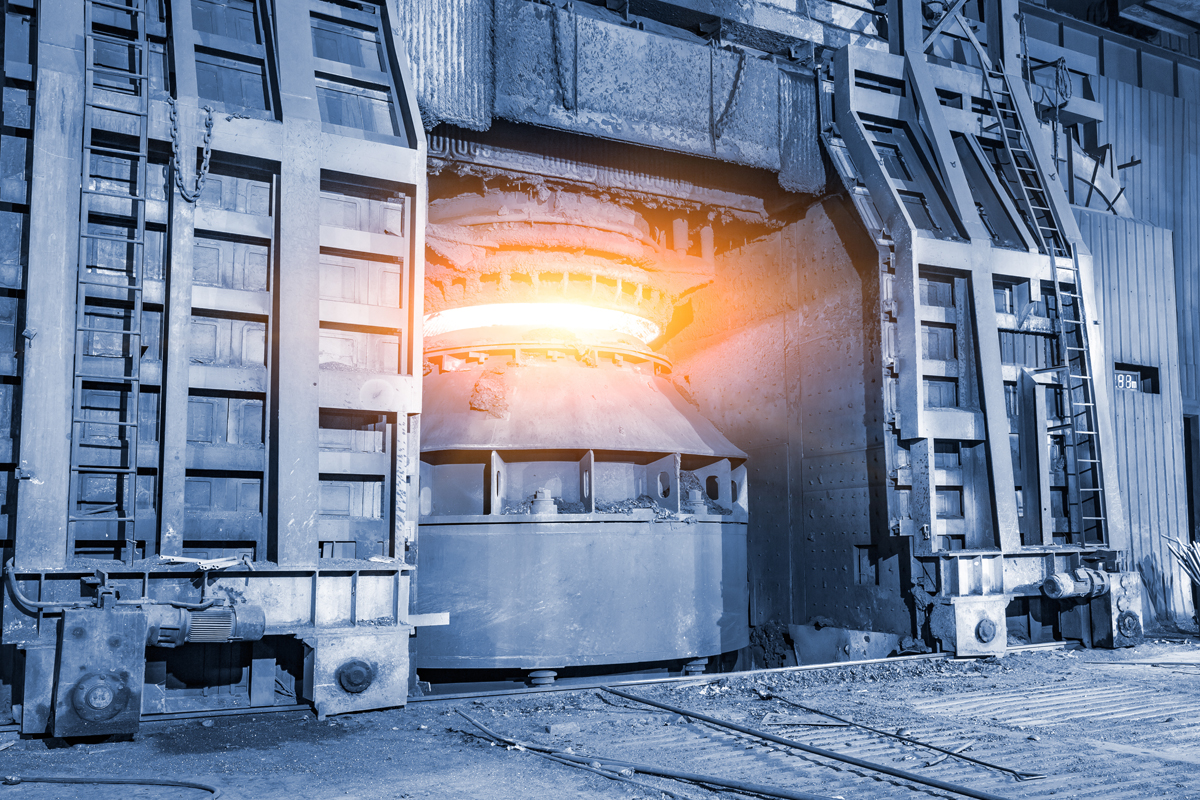
Recovered lead is smelted and refined for reuse, supporting closed-loop battery recycling systems | ABCDstock/Shutterstock

The global lead battery recycling market is projected to grow steadily through the next decade, supported by regulatory pressure, consistent scrap supply and demand from both automotive and stationary energy applications.

According to Polaris Market Research, the sector was valued at about $16.02 billion in 2025 and is expected to reach $26.93 billion by 2034, representing a compound annual growth rate of 5.94% over the forecast period. The outlook reflects a mature recycling stream that continues to expand alongside vehicle ownership and industrial battery use.

Lead-acid batteries remain one of the most widely recycled products globally, with recovery rates exceeding 95%, according to Polaris. The process involves collecting spent batteries, separating lead, plastics and electrolyte and returning those materials into new battery production. This closed-loop system reduces reliance on primary mining and supports stable secondary lead supply chains.

“The lead battery industry is minimizing the environmental impact of battery disposal with a highly successful circular ‘manufacture-use-reuse’ model,” Roger Miksad, president and executive director of Battery Council International, said.

The automotive sector continues to anchor the market, driven by frequent battery replacement cycles. Starter batteries typically last three to five years, creating a steady stream of scrap. The Polaris report notes that this predictable flow of material underpins utilization rates across recycling facilities and supports long-term operational stability.

That steady feedstock distinguishes lead batteries from other chemistries, particularly as newer battery technologies face more complex collection and processing challenges. Even as electric vehicle adoption increases, conventional vehicles still dominate global fleets and continue to generate significant volumes of spent lead batteries.

Regulation remains a central factor shaping the market. Polaris points to stricter environmental rules governing emissions, worker safety and acid neutralization as key drivers pushing material into formal recycling channels. These requirements increase operating costs but also reinforce compliance and support the shift toward licensed processing systems.

At the same time, demand for stationary energy storage is contributing to future recycling volumes. Telecom infrastructure, data centers and industrial facilities rely on backup power systems that use lead batteries. These installations require regular maintenance and replacement, typically every three to six years, generating additional end-of-life material streams.

This segment is expanding as digital infrastructure grows, particularly in regions where grid reliability remains uneven. Larger battery systems used in these applications also contain higher volumes of recoverable lead, increasing their value within the recycling chain.

Regionally, Asia Pacific holds the largest share of the market, supported by high vehicle production, industrial growth and established smelting capacity, according to Polaris. Europe is expected to see faster growth, driven by tightening recycling requirements and broader circular economy policies, while North America maintains a significant share due to structured collection systems and high vehicle ownership.

Technology trends within the sector reflect a balance between established methods and emerging alternatives. Pyrometallurgical processing remains dominant due to its scale and cost efficiency, while hydrometallurgical approaches are gaining attention because of their lower emissions and potential environmental advantages.

Despite the positive outlook, the industry faces cost pressures tied to compliance requirements. Investments in air filtration, wastewater treatment and worker safety systems can weigh on margins, particularly for smaller operators. Fluctuations in lead prices also affect profitability, while competition from alternative battery chemistries could influence long-term demand patterns.

Still, the sector’s established infrastructure and consistent material flow position it as a stable component of the broader recycling landscape. Lead battery recycling remains one of the most developed examples of a closed-loop system, with high collection rates and direct reintegration into manufacturing.

Polaris projects the market will continue growing through 2034, supported by regulatory requirements and demand from automotive and stationary battery applications.

Tags: Markets
TweetShare
Scott Snowden

Scott Snowden

Scott has been a reporter for over 25 years, covering a diverse range of subjects from sub-atomic cold fusion physics to scuba diving off the Great Barrier Reef. He's now deeply invested in the world of recycling, green tech and environmental preservation.

Related Posts

Volatility reshapes outlook for US metals businesses

byScott Snowden
April 15, 2026

Panelists at the ReMA conference in Las Vegas said tariffs, reshoring and geopolitical tension are remaking trade flows, lifting US...

NERC launches hub to promote PCR demand 

byAntoinette Smith
April 15, 2026

The Northeast Recycling Council's PCR Material Demand Hub offers resources for government procurement, material- and product-specific resources, and certification and...

Industry group: Help us find the plastic bale volumes we need

PET bales sink further as other grades firm 

byRecyclingMarkets.net Staff
April 15, 2026

Pricing for HDPE and PP bales rose again, while PET bales remained low, film grades have steadied, and paper and...

GFL acquires SECURE Waste for $6.4bn

byStefanie Valentic
April 13, 2026

GFL Environmental has agreed to acquire SECURE Waste Infrastructure Corp. in a $6.4 billion deal that expands the waste hauler's...

Trafigura signs $1.1b deal for recycled battery metals

byScott Snowden
April 8, 2026

Trafigura entered the agreement to expand access to recycled critical materials, supporting efforts to build more resilient battery supply chains...

Recycled copper output climbs as market shows surplus

byScott Snowden
April 6, 2026

Secondary copper production rose in January, with scrap-driven gains in China helping push global output higher as exchange inventories surged...

Load More
Next Post

Reverse Logistics Network launches to support industry

Leading the Charge in Safe Battery Recycling
Sponsored

Leading the Charge in Safe Battery Recycling

byThe Battery Network
April 13, 2026

We’re connecting people, brands, and communities through one nationwide network built to make battery recycling safer, simpler, and more accessible...

Read moreDetails

More Posts

Recycling Partnership CEO stepping down

April 15, 2026
EPR fees are a market signal. Here’s what they’re telling you.

EPR fees are a market signal. Here’s what they’re telling you.

April 10, 2026
Battery recycler Ascend Elements files for bankruptcy

Battery recycler Ascend Elements files for bankruptcy

April 13, 2026
Industry group: Help us find the plastic bale volumes we need

PET bales sink further as other grades firm 

April 15, 2026
Colorado regulators suggest mid-range EPR scenario

Why collaboration on plastic waste still matters

April 13, 2026

GFL acquires SECURE Waste for $6.4bn

April 13, 2026

WM opens new $60m MRF in Indy

April 10, 2026

Amazon, DOE partner on critical materials recovery

April 13, 2026

Bloom ESG and e-Stewards roll out critical metals metric

April 15, 2026
Solarcycle starts up Georgia recycling plant

S3399 signals a shift in how states are tackling solar panel waste

April 6, 2026
Load More

About & Publications

About Us

Staff

Archive

Magazine

Work With Us

Advertise
Jobs
Contact
Terms and Privacy

Newsletter

Get the latest recycling news and analysis delivered to your inbox every week. Stay ahead on industry trends, policy updates, and insights from programs, processors, and innovators.

Subscribe

Welcome Back!

Login to your account below

Forgotten Password?

Retrieve your password

Please enter your username or email address to reset your password.

Log In

Add New Playlist

No Result
View All Result
  • The Latest
  • Analysis
  • Recycling
  • E-Scrap
  • Plastics
  • Policy Now
  • Conferences
    • E-Scrap Conference
    • Plastics Recycling Conference
    • Resource Recycling Conference
    • Textiles Recovery Summit
  • Magazine
  • About Us
  • Advertise
  • Archive
  • Jobs
  • Staff
Subscribe
This website uses cookies. By continuing to use this website you are giving consent to cookies being used. Visit our Privacy and Cookie Policy.